Colombian coca leaf farming hit two-decade high in 2023, UN says
By Luis Jaime Acosta
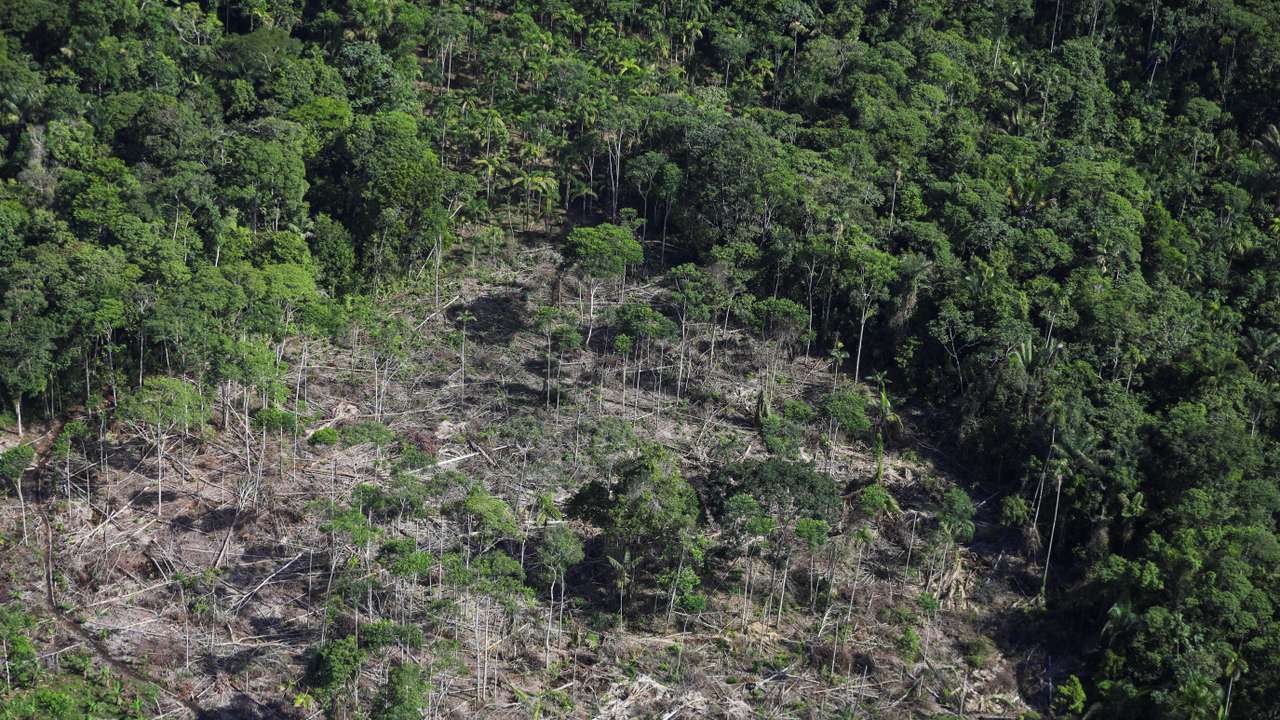
Colombian land dedicated to the cultivation of coca leaves, a raw ingredient for cocaine, jumped 10% last year to reach the largest area in over two decades, a report by the United Nations Office on Drugs and Crime (UNODC) found on Friday.
Some 253,000 hectares were planted with coca leaf in 2023, the report said, up from 230,000 in 2022. That brought last year's potential cocaine production up 53% to 2,644 metric tons, compared with 1,738 metric tons a year earlier.
The small-scale cultivation of coca leaf, which is traditionally chewed for energy or as an antidote for altitude sickness, is legal for some indigenous communities in Colombia.
RECOMMENDED FOR YOU

RSF index reveals that press freedom gaps widened globally in 2025
UNODC said the expansion was mainly in the southwestern departments of Cauca and Narino, while remaining relatively stable across the rest of the country.
"The 10% increase in cultivation is in the country's most productive areas and this has a very important impact on potential production" of cocaine, UNODC's regional representative, Candice Welsch, told a press conference.
Welsch said the plantations were mostly between two and four years old, making them more productive than older farms.
The most concentrated areas of coca leaf production were in areas where leftist guerrilla groups and criminal gangs founded by former far-right paramilitaries are operating.
Colombian authorities have for decades fought to reduce drug trafficking, but the country remains one of the world's leading cocaine producers. The United States has long pressured the country to reduce its coca leaf farming.
President Gustavo Petro, the South American nation's first leftist president, has proposed a shift from what he describes as a failed anti-narcotics military strategy toward recognizing drug use as a public health problem.
He has promoted voluntary coca leaf crop substitution programs alongside more social investment in areas where it is being farmed, and has ruled out reinstating the aerial spraying of coca fields with glyphosate, a chemical herbicide.
His government has ordered military and police to step up cocaine seizures, which last year reached a record 739.6 metric tons, according to defense ministry data.
RECOMMENDED FOR YOU
G7 and European leaders discuss Ukraine plan on margins of G20, sources say
"The increase in global demand is fueling the increase in cultivated area," Justice Minister Angela Maria Buitrago said at the conference.
Cocaine production in Colombia, strategically located between the Atlantic and Pacific oceans, is controlled by armed groups and many consider it to be fuelling a nearly six-decade-long internal conflict that has killed over 450,000 people.
This article was produced by Reuters news agency. It has not been edited by Global South World.