The Brazilian lawmaker behind Lula’s digital army is taking his political influence beyond Brazil
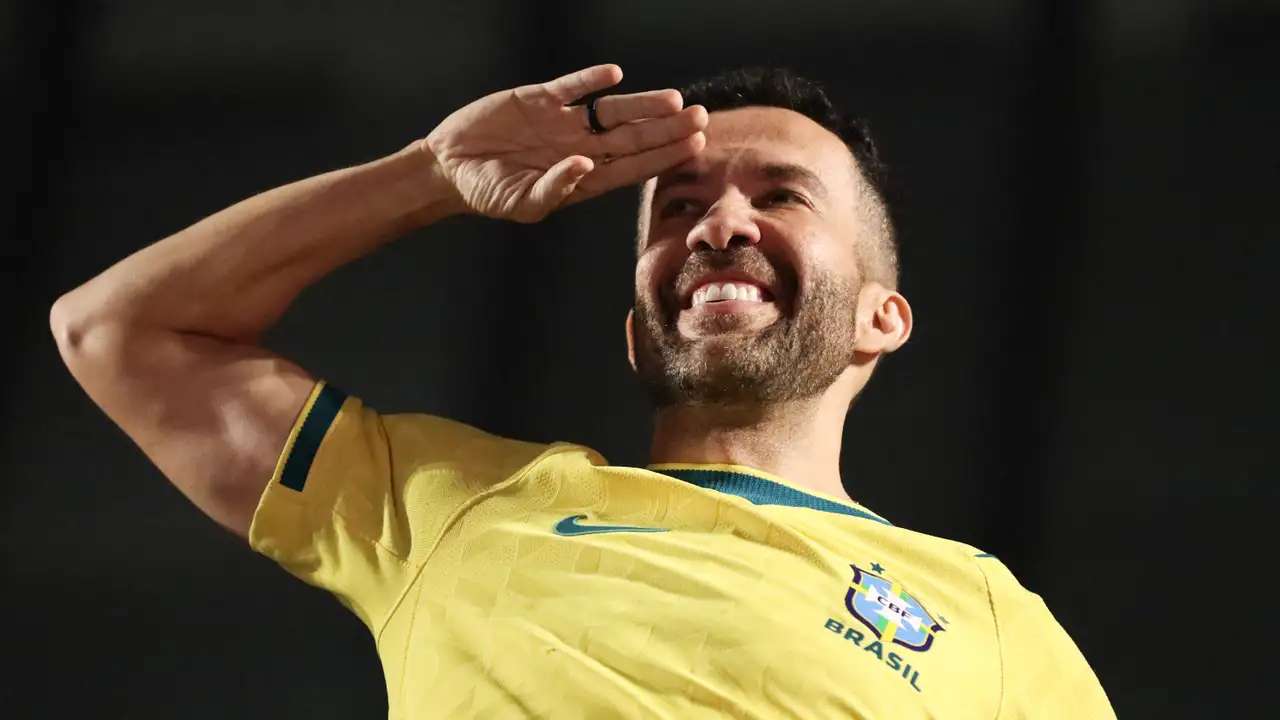
Brazilian federal lawmaker André Janones (Rede-MG), known for creating the WhatsApp channel "Lula's Army," has received invitations to collaborate with Spanish Prime Minister Pedro Sánchez on his election campaign and to visit Mexico at the invitation of President Claudia Sheinbaum.
The invitations reflect growing international interest in the digital communication strategy Janones used during President Luiz Inácio Lula da Silva's re-election campaign. Janones and his allies consider the approach instrumental in Lula's second-round victory over Flávio Bolsonaro of the Liberal Party (PL).
In Spain, Janones has been invited to contribute to Sánchez's campaign for the Spanish Socialist Workers' Party (PSOE) ahead of the November 29 election. His participation has not yet been confirmed.
In Mexico, Sheinbaum has invited the Brazilian lawmaker to discuss joint initiatives aimed at strengthening left-wing political movements in both countries. No date has been set for the visit.
In Brazil, Janones created and coordinated the WhatsApp channel "Lula's Army," which reportedly attracted nearly 11 million members during the final stages of the presidential campaign. The initiative expanded Lula's digital presence and organised coordinated online activities among supporters.
RECOMMENDED FOR YOU
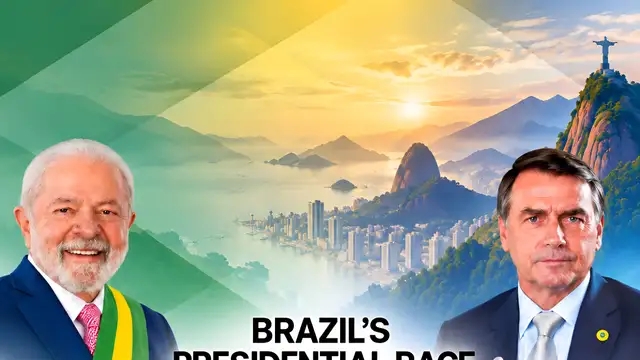
Brazil election 2026 results: Lula defeats Flávio Bolsonaro with 51.8% of vote to secure fourth term
The invitations follow Lula's re-election, which brought greater attention to Janones' approach to political communication. Known for his confrontational style on social media, the lawmaker sought to increase the left's presence on platforms where supporters of former President Jair Bolsonaro had established a strong following over the previous decade.
Janones calls his approach "Cultural Janonism," combining informal language, direct confrontation with political opponents, rapidly circulated content and continuous mobilisation of supporters.
From Lula's campaign to Spain's elections
According to Brazilian news outlet Metrópoles, Sánchez's invitation remains subject to discussions about Janones' participation, travel arrangements and expenses. The lawmaker had not confirmed whether he would accept the proposal.
The Spanish prime minister faces the November 29 election amid declining support for his socialist government, opposition from conservative parties and the growing influence of the far right.
Lula's victory attracted attention among progressive parties in Spain, which have presented the Brazilian election result as an example of overcoming an unfavourable electoral position.
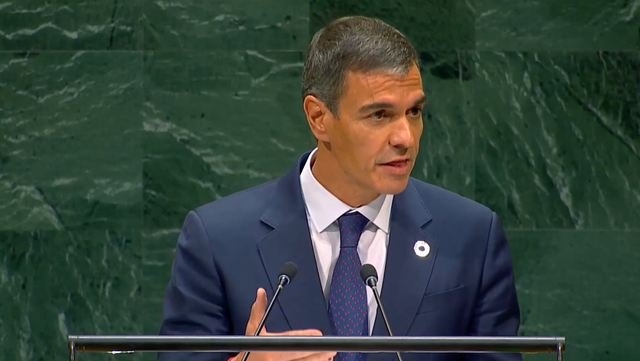
Sánchez publicly celebrated Lula's re-election and linked the result to Spain's political situation. According to Spanish newspaper El País, left-wing parties in Spain are seeking to use Lula's victory to encourage progressive voters and strengthen their campaigns against political opponents.
Metrópoles also reported that Mexican President Claudia Sheinbaum invited Janones to visit Mexico to discuss initiatives aimed at strengthening the left.
Although the invitations have different objectives, both reflect interest in Janones' ability to organise supporters and use digital communication for political mobilisation.
RECOMMENDED FOR YOU
‘Absolutely not true’ - Zelensky rejects Trump's claims over rising US diesel prices
What is Cultural Janonism?
"Cultural Janonism" is the term Janones uses to describe his communication strategy, which gained attention during Brazil's 2022 presidential election when he participated in Lula's campaign against Jair Bolsonaro.
The approach has been examined in academic research exploring how left-wing political movements adopt communication methods associated with the right.
Its main characteristics include conversational language, confrontational messaging and content designed to generate strong emotional reactions, particularly anger and indignation. Research into social media platforms has examined how emotionally engaging content can receive greater visibility through recommendation algorithms.
Rather than relying exclusively on official campaign accounts, the strategy encourages supporters to distribute political messages themselves.
Videos, memes, short posts and campaign slogans are shared by different users, allowing messages to reach audiences beyond the original accounts.
However, the approach also raises concerns. Confrontational communication can increase the reach of political messages while contributing to polarisation and the spread of misleading information.
Using these methods does not automatically guarantee democratic communication or reliable information.
How Janones helped organise Lula's digital campaign
Brazil's 2026 presidential election brought Cultural Janonism to a much larger audience.
RECOMMENDED FOR YOU

Uganda Roundup: Besigye detention talks, Karamoja hunger crisis and parliament funding cuts
After finishing the first round behind Flávio Bolsonaro, Lula needed to increase his support within the three weeks separating the two rounds.
Janones responded by expanding the activities of "Lula's Army," a WhatsApp channel established in April.
Initially created for communication among supporters, the channel developed into a platform for distributing campaign materials and coordinating digital activities.
According to Brazilian news outlet UOL, the channel surpassed eight million members on October 22 and approached 11 million during the final stages of the campaign.
Janones encouraged participants to share videos, engage with posts supporting Lula, distribute campaign messages and avoid certain interactions with opposing accounts that could increase the visibility of pro-Bolsonaro content.
The mobilisation also extended beyond social media.
Janones called for coordinated public demonstrations, including a protest involving people banging pots and pans during Flávio Bolsonaro's interview on Jornal Nacional. He also encouraged supporters to demonstrate their support for Lula's re-election in public spaces.
The campaign increasingly used informal communication, including mobile phone videos and live broadcasts.
RECOMMENDED FOR YOU
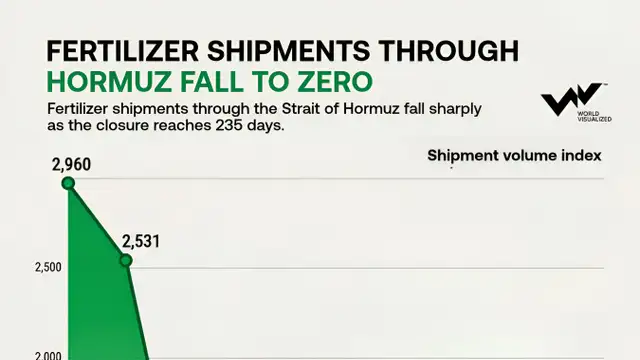
Fertilizer shipments through Strait of Hormuz fall to zero as food security fears grow
During one broadcast, Lula spoke with Janones and thanked supporters for their digital mobilisation. On election night, the president referred to the lawmaker as a "general," publicly acknowledging his role in the campaign.
The WhatsApp channel also faced legal challenges.
Brazil's Superior Electoral Court ordered its suspension in rulings connected to allegations by Bolsonaro's campaign that the channel had distributed false information.
Why the strategy is attracting international attention
Interest in Janones' campaign reflects a broader challenge facing left-wing parties internationally: how to compete on digital platforms where far-right movements have established active communities, distinctive communication styles and extensive networks for distributing political messages.
In Brazil, the Bolsonaro movement developed part of its political influence through networks of supporters, influencers and messaging channels.
These networks allowed political content to circulate widely and enabled regular communication with supporters outside election periods.
Janones' strategy sought to respond through similar digital tools, directing them towards mobilisation in support of Lula.
However, the effectiveness of such an approach depends on each country's political environment, public confidence in political leaders, media consumption habits and electoral regulations.
RECOMMENDED FOR YOU

LIVE: Lula stays in power, beats Bolsonaro in stunning comeback
A strategy that reaches millions of people in Brazil may not produce similar results in Spain or Mexico.
For Sánchez and Sheinbaum, the question is which elements of Brazil's digital campaign experience can be adapted to their respective political environments without assuming that Lula's electoral victory can be replicated through a single communication strategy.
This story is written and edited by the Global South World team, you can contact us here.
