Dutch coalition talks in disarray as junior partner steps away
Dutch coalition talks in disarray as junior partner steps away
By Bart H. Meijer
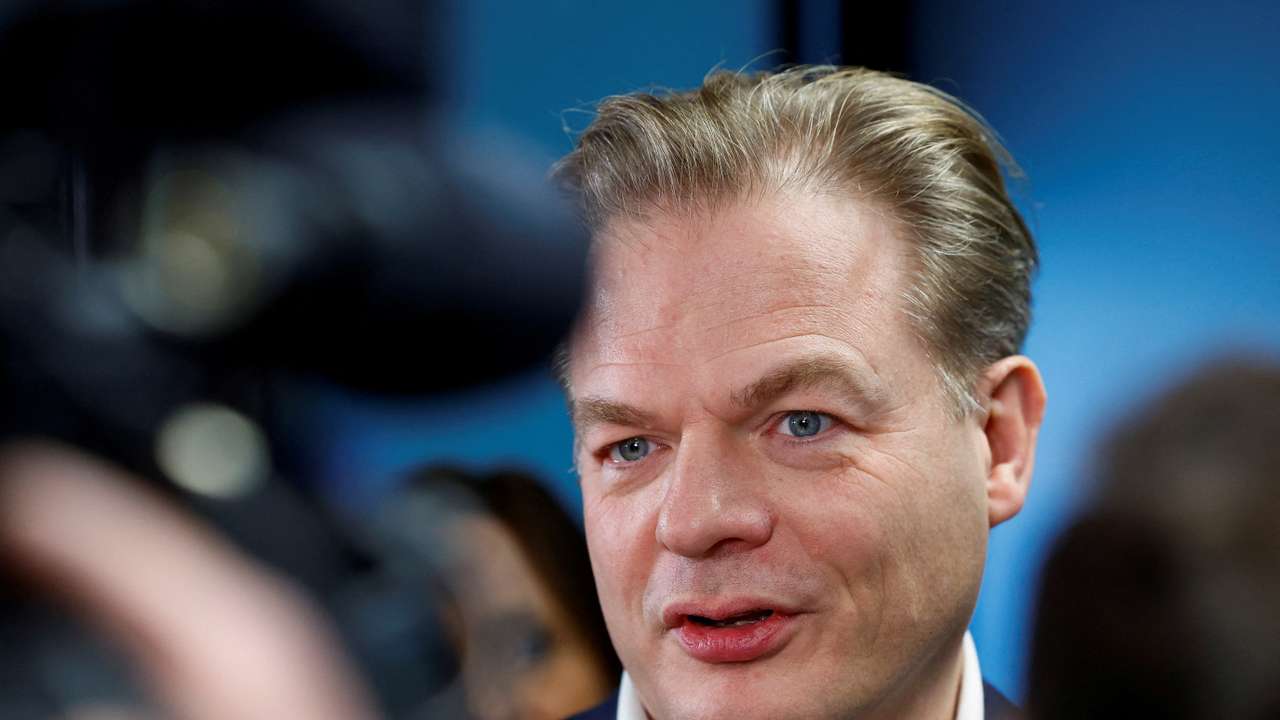
Dutch government formation talks were thrown in disarray on Tuesday as centrist party NSC unexpectedly stepped away, complicating the task for far-right politician Geert Wilders to assemble a working coalition.
NSC, an upstart party, took 20 seats in the Nov. 22 election that was won by Wilders' nationalist Freedom Party (PVV) and was seen as an essential partner to form a coalition that would have a majority in the Netherlands' 150-seat lower legislative body.
RECOMMENDED FOR YOU
A wake-up call: The countdown for Latin American democracy — Opinion
Wilders, who won a quarter of the vote in the election, has been negotiating with the NSC, the centre-right VVD of outgoing Prime Minister Mark Rutte and the farmers' protest party BBB since late November, without giving any sign that a deal was close.
In a letter to his fellow party members NSC leader Pieter Omtzigt said he considered the talks to be over, as he said new information on the government's finances had made it clear the coalition would not be able to keep the promises it intended to make.
"Financial expectations for the coming years have changed," Omtzigt said. "Under no conditions do we want to make promises we know are empty."
Wilders said he was "incredibly disappointed" by his prospective partner's decision. "The country wants this coalition... I don't understand it at all."
Ronald Plasterk, a former Labor Party minister and the intermediary leading the talks, had already flagged finances as a key stumbling block, after economic experts had warned the new coalition would have to find around 17 billion euros ($18.3 billion) in structural spending cuts.
This move complicated already difficult talks even more, as Wilders made it clear this was not part of his agenda, by tweeting his preference for a right-wing government "with lower taxes and without painful, large spending cuts".
Plasterk is due to inform the Dutch parliament on the state of government formation talks next week.
Omtzigt said in his letter that he would be willing to support a minority government, possibly consisting of the three parties now left at the table.
RECOMMENDED FOR YOU
‘Hamas could reach Paris’ - Netanyahu warns Macron amid France protests
If no combination of parties can agree to form a coalition, new elections are an option of last resort.
Government formation in the Netherlands traditionally takes a long time. Talks following the previous election in 2021 took a record 299 days.
This article was produced by Reuters news agency. It has not been edited by Global South World.