Israel pounds Gaza City suburbs, vows to press on with offensive
By Nidal al-Mughrabi and Lili Bayer
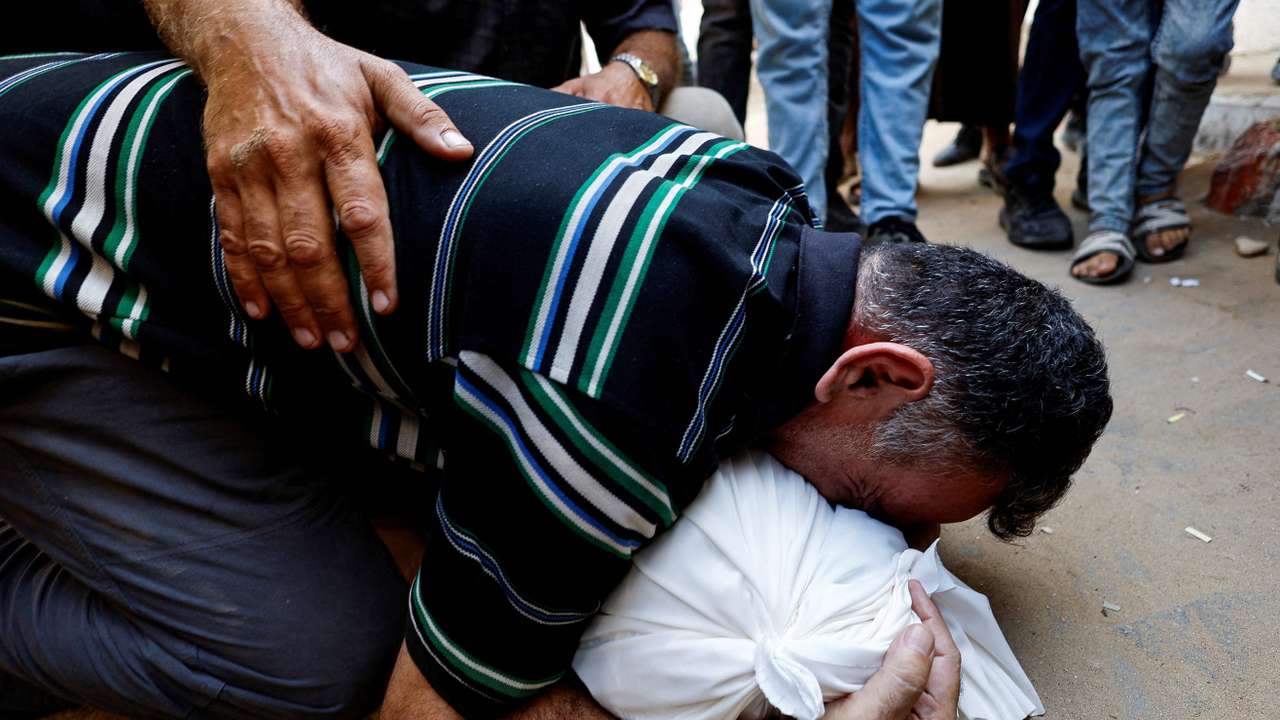
Israeli planes and tanks pounded the eastern and northern outskirts of Gaza City overnight Saturday to Sunday, destroying buildings and homes, residents said, as Israeli leaders vowed to press on with a planned offensive on the city.
Witnesses reported the sound of explosions non-stop overnight in the areas of Zeitoun and Shejaia, while tanks shelled houses and roads in the nearby Sabra neighbourhood and several buildings were blown up in the northern town of Jabalia.
Fire lit the skies from the direction of the explosions, causing panic, prompting some families to stream out of the city. Others said they would prefer to die and not leave.
RECOMMENDED FOR YOU

Six countries account for three-quarters of Europe’s unicorn startups
The Israeli military said on Sunday that its forces have returned to combat in the Jabalia area in recent days, to dismantle militant tunnels and strengthen control of the area.
It added that the operation there "enables the expansion of combat into additional areas and prevents Hamas terrorists from returning to operate in these areas."
Israel approved a plan this month to seize control of Gaza City, describing it as the last bastion of Hamas militants. It is not expected to begin for a few weeks, leaving room for mediators Egypt and Qatar to try and resume ceasefire talks.
Israel's Defence Minister Israel Katz on Sunday vowed to press on with the offensive on the city where famine has been declared, which has raised alarm abroad and objections at home. Katz has said that Gaza City will be razed unless Hamas agrees to end the war on Israel's terms and release all hostages.
Hamas said in a statement on Sunday that Israel's plan to take over Gaza City showed it wasn't serious about a ceasefire.
It said a ceasefire agreement was "the only way to return the hostages", holding Israeli Prime Minister Benjamin Netanyahu responsible for their lives.
The proposal on the table calls for a 60-day ceasefire and the release of 10 living hostages held in Gaza and of 18 bodies. In turn, Israel would release about 200 long-serving Palestinian prisoners held by Israel.
Once a temporary ceasefire begins, the proposal is for Hamas and Israel to begin negotiations on a permanent ceasefire that would include the return of the remaining hostages.
RECOMMENDED FOR YOU
Burkina Faso to stop importing armoured vehicles, Traore says
On Thursday, Netanyahu said that Israel would immediately resume negotiations for the release of all 50 hostages - of whom Israel believes around 20 are still living - and an end to the nearly two-year-old war but on terms acceptable to Israel.
'HUNGRY AND AFRAID'
Around half of the enclave's two million people currently live in Gaza City. A few thousand have already left, carrying their belongings on vehicles and rickshaws.
"I stopped counting the times I had to take my wife and three daughters and leave my home in Gaza City," said Mohammad, 40, via a chat app. "No place is safe, but I can't take the risk. If they suddenly begin the invasion, they will use heavy fire."
Others said they will not leave, no matter what.
"We are not leaving, let them bomb us at home," said Aya, 31, who has a family of eight, adding that they couldn't afford to buy a tent or pay for the transportation, even if they did try to leave. "We are hungry, afraid and don't have money."
A global hunger monitor said on Friday that Gaza City and surrounding areas are officially suffering from famine that will likely spread. Israel has rejected the assessment and says it ignores steps it has taken since late July to increase aid.
On Sunday, the Gaza health ministry said eight more people died of malnutrition and starvation in the enclave, raising deaths from such causes to 289 people, including 115 children, since the war started. Israel disputes fatality figures by the health ministry in the Hamas-run strip.
RECOMMENDED FOR YOU

Norway has Europe’s highest petrol prices, Russia and Belarus remain cheapest
The war began on October 7, 2023, when Hamas-led gunmen burst into southern Israel, killing some 1,200 people, mainly civilians, and taking 251 hostages.
Israel's military offensive against Hamas has since killed at least 62,000 Palestinians, mostly civilians, according to the Gaza health ministry, left much of the territory in ruins and internally displaced nearly its entire population.
This article was produced by Reuters news agency. It has not been edited by Global South World.