Japan PM's camp yields to opposition over rare budget revisions
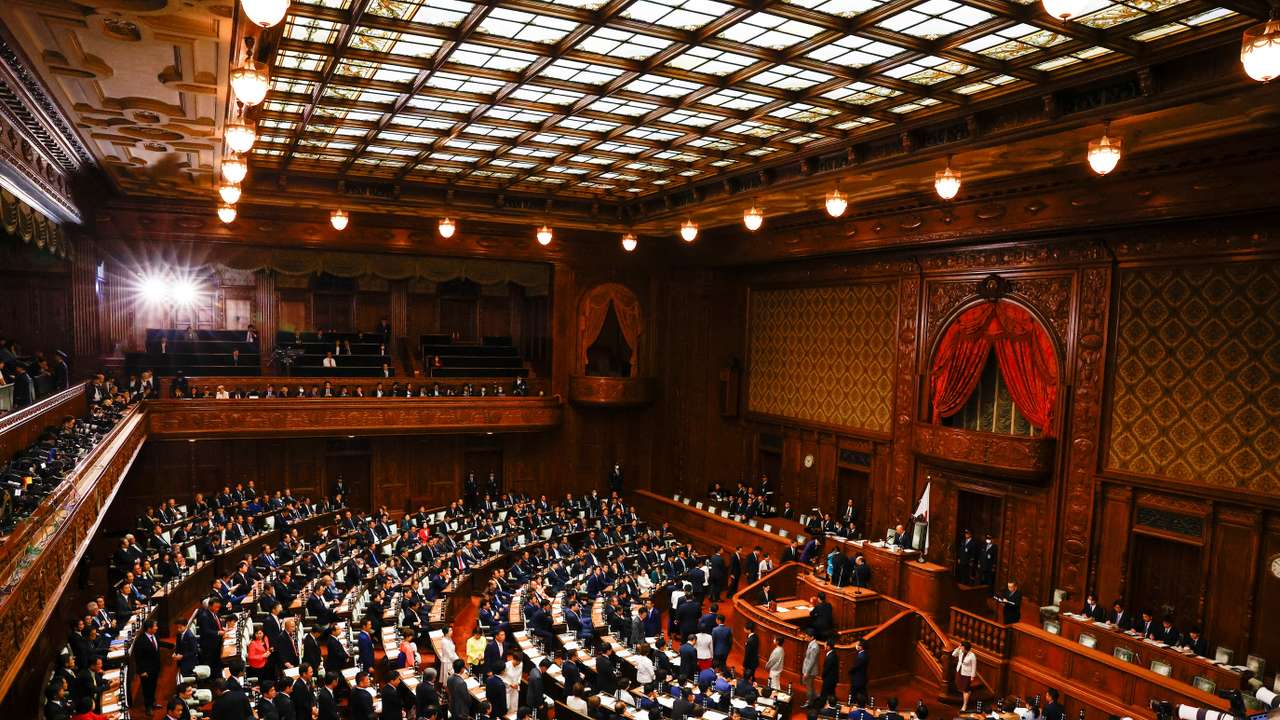
By Makiko Yamazaki and Yoshifumi Takemoto
Japanese Prime Minister Shigeru Ishiba's party and a coalition partner agreed with a key opposition party on Tuesday to revise the $770-billion annual budget bill, in a rare move to ensure it passes before the start of the new fiscal year in April.
The deal clears the way for parliament's lower house to pass the budget, spelling relief for the bond market, which has been rattled by a recent surge in yields of Japanese government bonds (JGB).
"We had sincere policy discussions across party lines and I think that was very meaningful," Ishiba told reporters after the three parties reached agreement.
RECOMMENDED FOR YOU

A wake-up call: The countdown for Latin American democracy — Opinion
The opposition Japan Innovation Party (JIP) agreed to join his coalition to support the revised budget for the next fiscal year after acceptance of its key demands, such as higher household subsidies to ensure free education.
Such a revision would be the first time since 1996 that the government has been forced to change its initial budget allocation, highlighting the diminished political influence of Ishiba's Liberal Democratic Party and its partner Komeito after October elections cost them their parliamentary majority.
Last December, the government compiled a record budget of 115.5 trillion yen ($772.11 billion) for the next fiscal year, while limiting new bond issuance to the lowest in 17 years on the back of record tax revenue.
The scale of Tuesday's revision will probably be small enough to avoid a major change to the planned new bond issuance of 28.6 trillion yen ($191.19 billion).
The revision for the education subsidies would cost slightly more than 100 billion yen ($668 million) in the next fiscal year, a senior Liberal Democratic Party official told a press briefing.
The coalition has also been in talks with another opposition party, the Democratic Party for the People, which is demanding that the threshold for tax-free income be lifted.
Pressure for fiscal expansion will grow in the run-up to an upper house election in July, as the ruling coalition is likely to come up with fresh spending plans to attract voters, analysts say.
At more than twice the size of its economy, Japan's public debt is by far the worst in the industrialised world.
RECOMMENDED FOR YOU

‘Hamas could reach Paris’ - Netanyahu warns Macron amid France protests
This article was produced by Reuters news agency. It has not been edited by Global South World.