King Charles raises eyebrows with his tie choice amid UK-Greece dispute

King Charles raises eyebrows with his tie choice amid UK-Greece dispute
Britain's King Charles wore a tie bearing the colours and symbols of the Greek national flag to a climate conference on Friday, days after Prime Minister Rishi Sunak snubbed his Greek peer Kyriakos Mitsotakis in a row over the Parthenon Sculptures.
Charles, who wore the tie when he met Sunak on the sidelines of COP28 in the United Arab Emirates and when he delivered a speech at the event, has Greek lineage through his father, the late Prince Philip who was born on the Greek island of Corfu.
Sunak deepened a diplomatic row with Athens on Wednesday by accusing Mitsotakis of "grandstanding" during a recent trip to London over ownership of the Parthenon Sculptures. Sunak cancelled a planned meeting with Mitsotakis earlier in the week.
RECOMMENDED FOR YOU
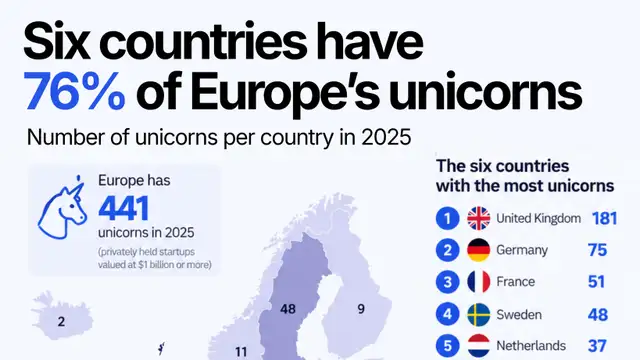
Six countries account for three-quarters of Europe’s unicorn startups
A Buckingham Palace source said on Friday that Charles also wore the same tie last week, before the escalation of the dispute. A spokesperson for Sunak declined to comment.
British media noted that, as well as the blue and white tie featuring the same white cross design as the Greek flag, Charles sported a blue and white handkerchief protruding from his jacket pocket.
"In a week when Rishi Sunak cancelled a meeting with the Greek Prime Minister to make a 'stand' over the #ParthenonMarbles #ElginMarbles … King Charles appears to have chosen to wear a very interesting tie when he met Mr Sunak in Dubai today," ITV television's Royal Editor Chris Ship said on social media platform X.
Athens has long called on the British Museum to permanently return the 2,500-year-old sculptures that British diplomat Lord Elgin removed from the Parthenon temple in 1806. The museum has said it would consider a loan to Greece only if Athens acknowledges the museum's ownership of the sculptures.
This article was produced by Reuters news agency. It has not been edited by Global South World.