Mona Lisa, the world’s famous painting and all you need to know
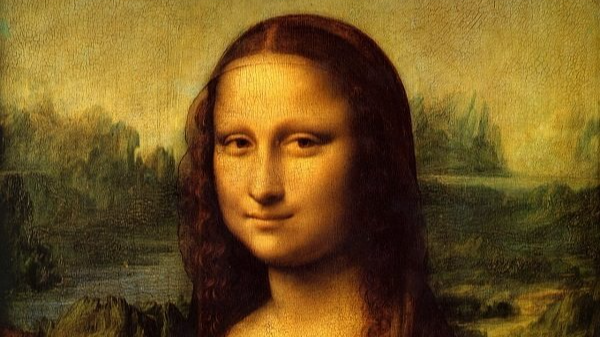
It is truly a work of art, painted by the famous Leonardo da Vinci between 1503 and 1519. The work which is painted as oil on wood has been acknowledged worldwide.
The original painting is 77 x 53 cm (30 x 20 7/8 in) and is owned by the Government of France. The painting hangs on the wall of the Louvre in Paris, France.
The painting portrays a woman adorned in the Florentine fashion of her days and set against a picturesque mountainous backdrop.Characterized by gentle, intricate shading, this masterpiece is celebrated for the Mona Lisa's captivating and enigmatic countenance, which conveys an intriguing blend of allure and detachment, bestowing upon the portrait its worldwide renown.
There are many interesting details about this work of art:
1. The neglected chair: While the Mona Lisa is celebrated for her enigmatic smile, the chair on which she sits often goes unnoticed. This seemingly insignificant object holds hidden significance.
RECOMMENDED FOR YOU

Lula accuses Bolsonaro of bowing to US interests ahead of Brazil run-off
2. A lifelong work: Leonardo da Vinci continuously worked on the Mona Lisa until his death in 1519, viewing its evolution as the essence of the artwork itself.
3. The enigmatic smile: The mysterious allure of Mona Lisa's smile has captivated art enthusiasts for centuries, making it a topic of fascination and even obsession.
4. Beyond the smile: Some critics, like Walter Pater, argue that the true allure of the painting lies in the delicacy with which her hands and eyelids are depicted, creating a sense of eternal flux.
5. A fluid presence: The painting's aquatic imagery and Mona Lisa's placement on a "little well" chair suggest a connection to flowing waters, making her an integral part of the landscape she inhabits.
6. Spiritual complexity: The incorporation of the "little well" symbol transforms the painting into a spiritually complex piece, moving beyond a mere secular portrait and inviting comparisons to historical portrayals of women "at the well" in Western art.