Nicaragua's first female president dies at 95: summary
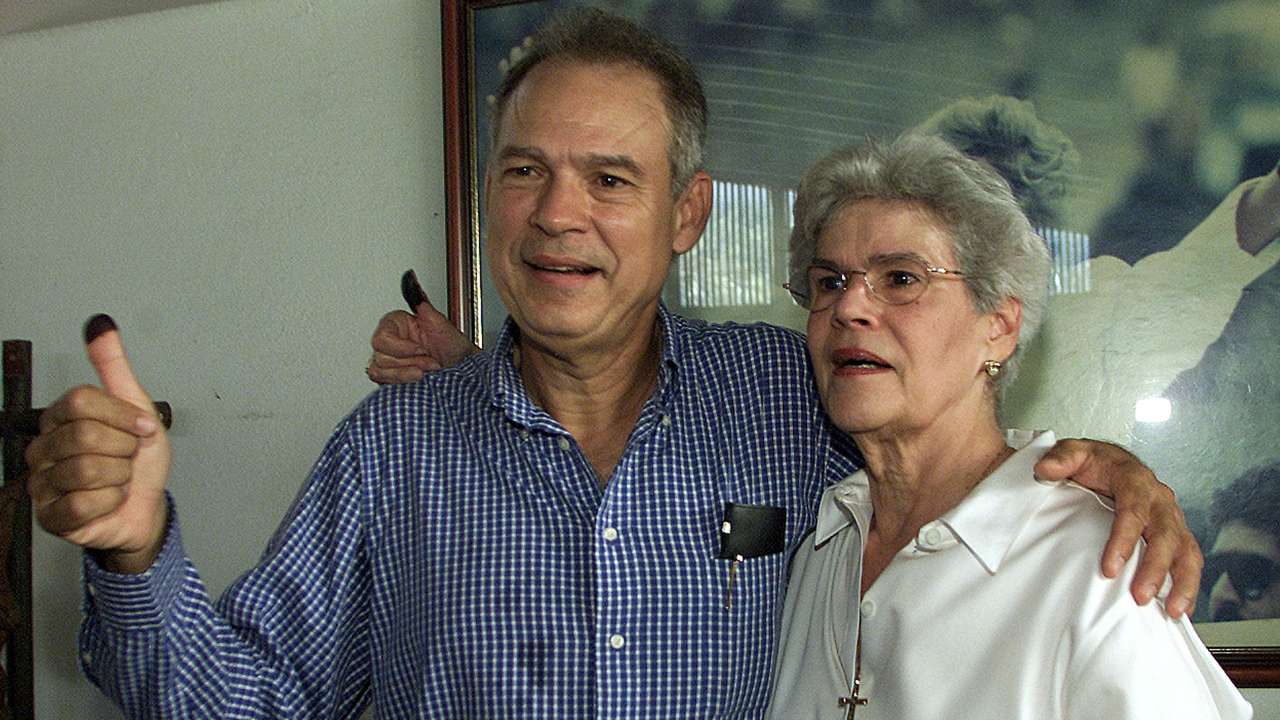
What we know
- Violeta Barrios de Chamorro, Nicaragua’s first female president and a pivotal figure in ending the country’s civil war, died on Saturday, June 14, at age 95 in San José, Costa Rica. Her death marks the passing of a leader who played a central role in steering Nicaragua from conflict to fragile peace.
- Chamorro was elected president in 1990 after defeating the ruling Sandinista party led by Daniel Ortega, in what was considered a stunning democratic upset. Her victory ended over a decade of civil conflict between the Sandinistas and U.S.-backed Contra rebels, positioning her as a global symbol of post-Cold War democratic transition.
- She served the longest democratic term in Nicaragua’s modern history, nearly seven years and peacefully handed over power to an elected civilian successor in 1997. Her tenure was noted for attempts at national reconciliation and for beginning the professionalisation of the armed forces, significantly downsizing what had been a revolutionary army.
- Chamorro came to politics reluctantly as a housewife with no formal political training; she was thrust into public life following the assassination of her husband, Pedro Joaquín Chamorro, a prominent journalist and publisher of La Prensa. His murder in 1978 by the Somoza dictatorship helped ignite the uprising that led to the regime’s fall in 1979.
- Though she initially supported the Sandinista revolution, she later distanced herself from the movement and became one of its fiercest critics. In 1989, she united opposition forces and, against expectations, defeated Ortega at the ballot box.
- In her later years, Chamorro withdrew from public life after a stroke in 2018. She moved to Costa Rica in 2023 for medical care, where two of her children live in exile.
- Political figures and journalists across Latin America and beyond have paid tribute, highlighting her role in restoring democratic order after years of violence. Human rights organisations also recognised her commitment to freedom of the press and civil society.
What they said
“Doña Violeta died peacefully, surrounded by the affection and love of her children and those who had provided her with extraordinary care, and now she finds herself in the peace of the Lord,” the Chamorro family said in a statement. They added that she will be temporarily buried in Costa Rica "until Nicaragua once again becomes a republic.”
This story is written and edited by the Global South World team, you can contact us here.
