Portugal's new minority centre-right government takes power
By Sergio Goncalves
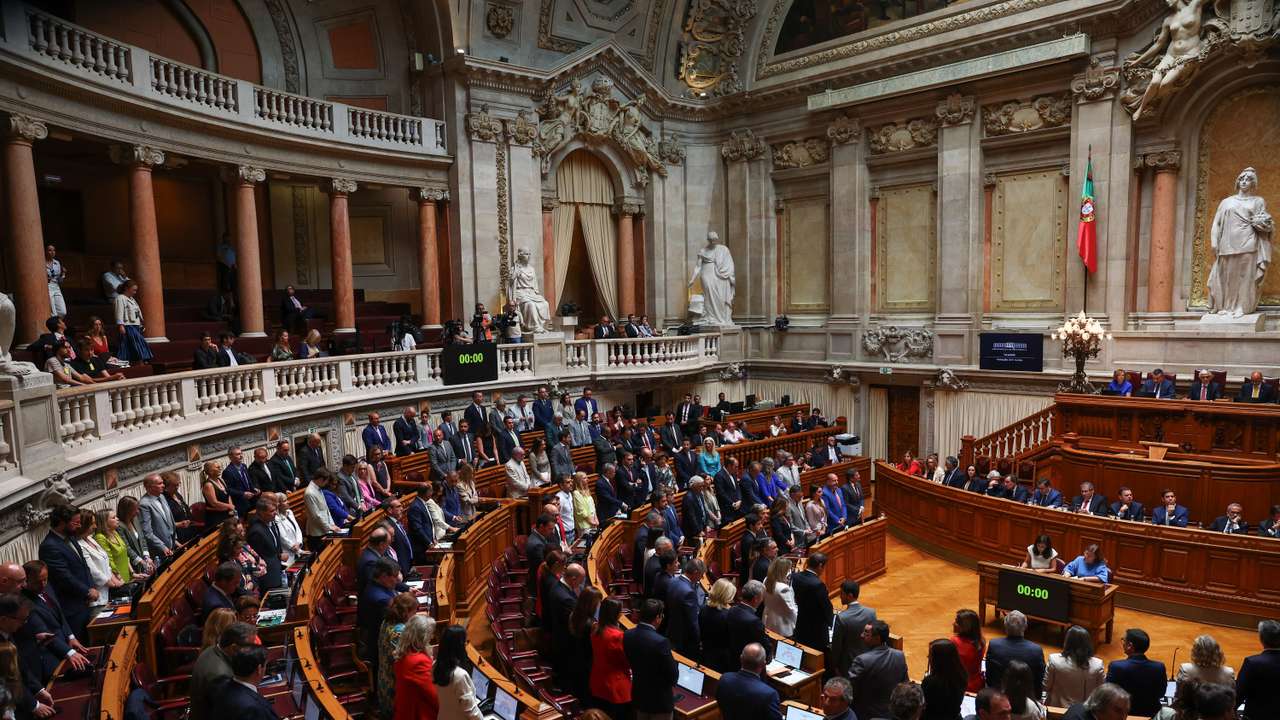
A minority centre-right government formally took power in Portugal on Wednesday after parliament threw out a motion by the small opposition Communist Party calling for rejection of the new administration's programme.
In its programme, the government promises to continue cutting taxes for the middle class and companies, maintain budget surpluses and have a permanent dialogue with the opposition on key issues such as immigration.
The Communists, with just three seats in the 230-member parliament, had accused the incoming government in their motion of working "against the interests of workers" and also opposed plans to raise defence spending to 2% of national output.
RECOMMENDED FOR YOU
Netanyahu warns Israel’s enemies of harsher strikes ahead of election
But the largest opposition parties - the far-right Chega and the centre-left Socialists - delivered on an earlier promise to vote against the motion, paving the way for Prime Minister Luis Montenegro's Democratic Alliance (AD) coalition to take office.
Montenegro has kept most of the same key ministers in his new cabinet after the AD coalition won a snap election on May 18.
Although the AD obtained more seats than in the previous election, it again fell short of a working majority in a fragmented parliament, while the anti-establishment, anti-immigration Chega emerged as the main opposition force.
"Political stability is everyone's task, this government is here for the four-year legislature," Montenegro said on Tuesday.
Chega leader Andre Ventura said "it is not time to obstruct" the government, even though he did not consider it to be a good one, but promised to "take seriously the work of leading this opposition... and tell you to your face what is wrong".
The government's first big test is likely to be passing the 2026 budget towards the end of the year. No new parliamentary election can be called until at least mid-2026 because Portugal will hold a presidential election next January.
This article was produced by Reuters news agency. It has not been edited by Global South World.