Renewable Energy Surge: Libya eyes 20% target by 2035
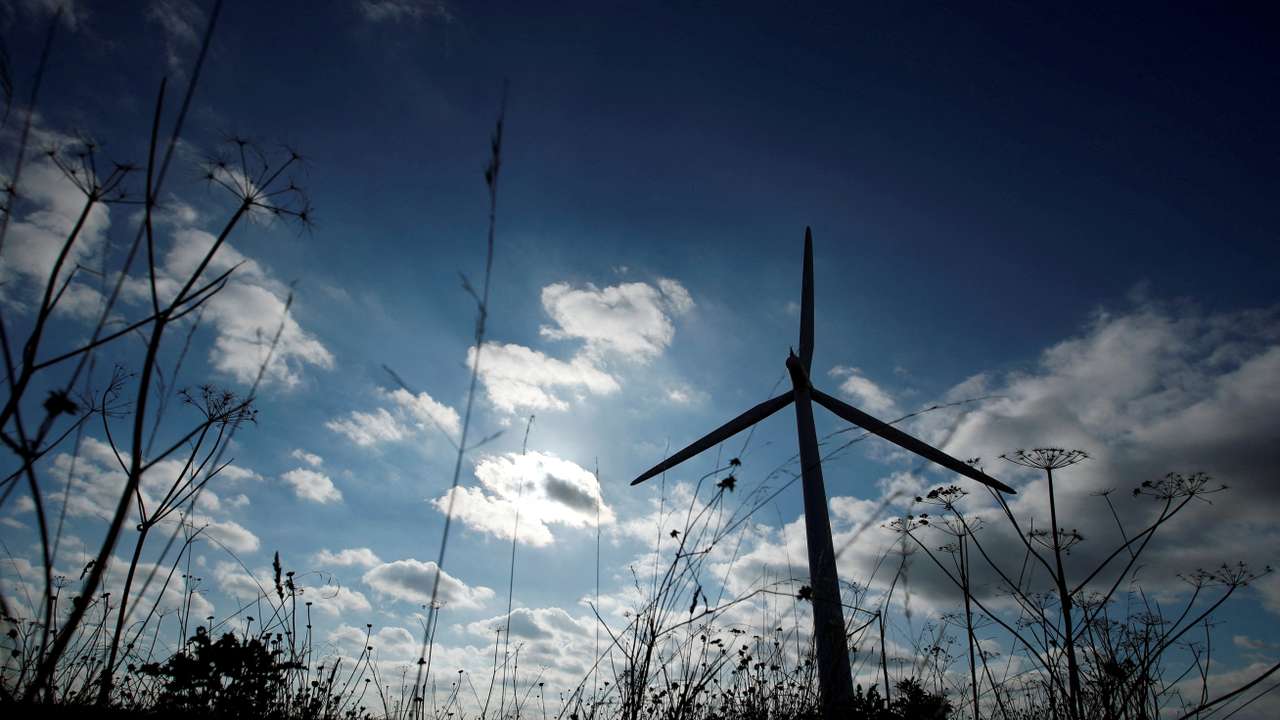
Libyan authorities are eager to catch up with the world on generating clean energy and contributing to environmental protection by the end of 2035.
The country aims to generate 20% of its electricity from renewable energy by 2035 marking a strategic move for its economic development, Libya Observer reports.
Libyan authorities indicated that the move has received substantial support from the US Agency for International Development (USAID) in terms of the adoption of the initiative and its subsequent approval in October.
“Libya adopted its first national renewable energy strategy in October with significant support from the U.S. Embassy through USAID - US Agency for International Development. Under the strategy, Libya will source a minimum of 20% of its electricity consumption from renewables by 2035. The transition will also be a strategic economic move since energy subsidies in Libya count for 30% of government spending annually,” a Facebook post by the US Embassy Libya read.
The US Chargé d'Affaires to Libya, Jeremy Brent, stated that the technical support from the United States is geared towards assisting Libya in modernising its energy sector, fostering transparency, and enhancing service delivery.
RECOMMENDED FOR YOU
Six countries account for three-quarters of Europe’s unicorn startups
On July 31, the Director of the USAID in Libya, John Cardenas, unveiled an aid package aimed at bolstering electrical power generation, integrating renewable energy, and decreasing consumption. The objective is to ensure a sustained and uninterrupted flow of energy in the country for the years to come.
The strategic initiative in renewable energy falls in line with the drastic shift in global investment towards renewable energy. with the shifting global efforts. In the coming years, it has been forecasted that the world will witness 90% of new global electricity capacity originating from renewables, Libya Herald reports.
More importantly, the driving forces behind this shift are the consistently declining costs of renewable electricity production and increasing public apprehensions about climate change.