Syrian electors cast ballots in indirect vote for first post-Assad parliament
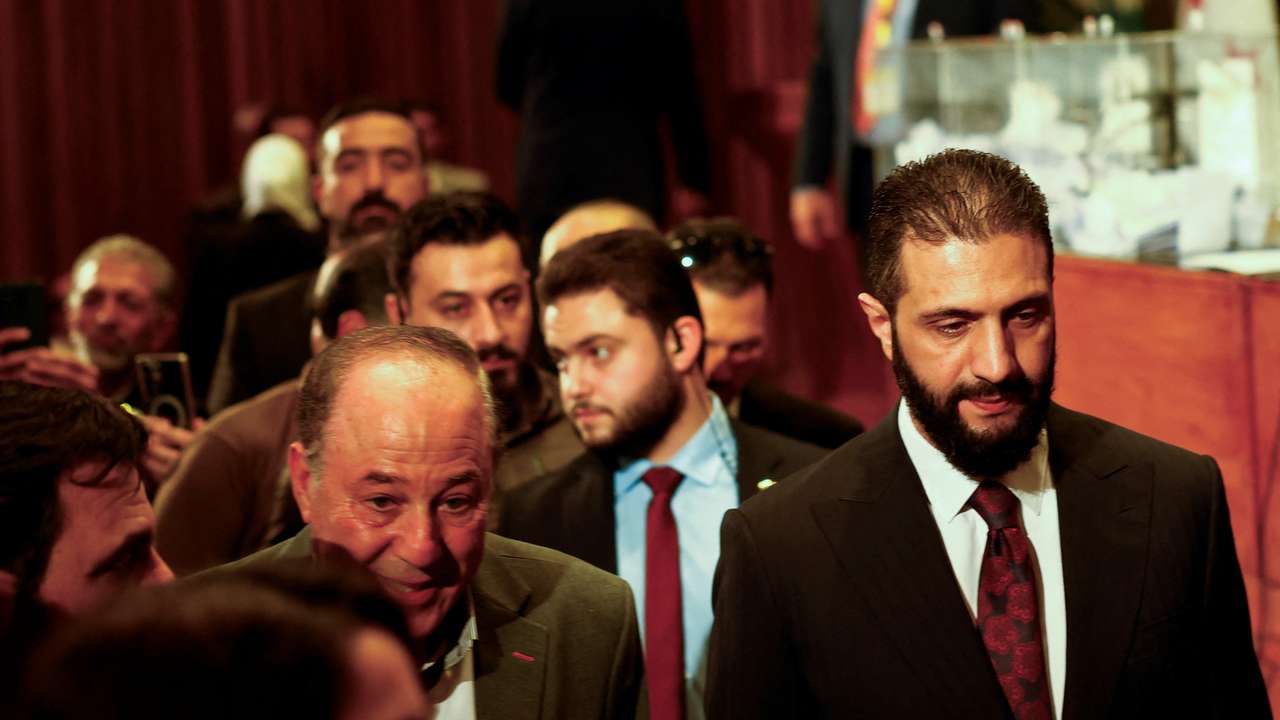
Members of Syria's electoral colleges gathered on Sunday to vote for new lawmakers, a milestone in the country's shift away from the ousted regime of Bashar al-Assad and a major test of inclusivity under its current Islamist-led authorities.
The indirect vote comes as President Ahmed al-Sharaa, who came to power after his rebel offensive toppled Assad in December, tries to consolidate his hold over a nation fractured by a 14-year war and bouts of sectarian violence that have fueled distrust of him among minorities.
A combined 6,000 electors cast ballots at regional electoral colleges starting around 9 a.m. local (0600 GMT). Polls closed in the afternoon and preliminary results are expected on Sunday night, according to Mohammed Al-Ahmed, the head of Syria's higher electoral committee.
Sunday's vote will determine nearly two-thirds of parliament's 210 seats, but the body will not be formally established until Sharaa, a former Al Qaeda fighter, selects the remaining third.
RECOMMENDED FOR YOU

Kuwait Roundup: New arbitration law advances, Canada investment ties deepen and Hormuz security dominates talks
"After the preliminary results are announced, we will file a report to the president of the republic so that he begins choosing the last third. We will also open an opportunity for candidates to present any objections," said Ahmed.
VOTE BRINGS MUTED HOPE
The authorities say they resorted to an indirect system rather than universal suffrage due to a lack of reliable population data following the war, which killed hundreds of thousands of Syrians and displaced millions.
"There are many pending issues in Syria that we need to move forward with, and so we did our best to reach the shortest possible opportunity as quickly as possible to fill this void," Sharaa said on Sunday as he visited the main polling station in the Syrian capital Damascus.
A committee appointed by Sharaa approved 1,570 candidates who showcased their platforms in seminars and debates this week. But public electioneering was muted, with no posters or billboards visible in major cities, Reuters reporters said.
Damascus resident Sanaa al-Ali was skeptical that the vote would bring about a sea change in Syria.
"I have no hope for anything," she told Reuters on Sunday. "I don't feel anything new will happen to move us forward so that the coming days will be better than the past."
In Syria's second city Aleppo, resident Sameh Hindawi sounded more optimistic, but said he wanted to see direct elections the next time around.
RECOMMENDED FOR YOU

Zambia Roundup: Election irregularities, Kafwaya death probe and ZCCM-IH’s K4.92bn loss
"We hope, God willing, that it will be a prelude to the upcoming People's Assembly elections through the full participation of the Syrian people through voting and candidacy," he said.
Citing security and political reasons, authorities postponed the vote in three provinces held by minority groups - leaving 19 seats in parliament empty until a vote can be held there.
Critics have slammed those moves, saying a partial and indirect vote is unrepresentative and too centrally managed.
Analysts say Sharaa's selection of 70 lawmakers will ultimately determine the new body's effectiveness and legitimacy: choosing women or minority lawmakers could add diversity, but loyalists could help him to issue laws without a legislative challenge.
This article was produced by Reuters news agency. It has not been edited by Global South World.