Trump says will likely stop buying oil from Venezuela
- #Americas
- #Central America
- #Fundamental Rights
- #Civil Liberties
- #Crime
- #Law
- #Justice
- #Conflicts
- #War
- #Peace
- #Diplomacy
- #Foreign Policy
- #Emerging Market Countries
- #Asylum
- #Immigration
- #Refugees
- #International Agencies
- #Treaty Groups
- #South America
- #Lawmaking
- #North America
- #government
- #Politics
- #US President
- #International
- #National Security
- #Elections
- #Voting
- #Presidential Elections
By Andrea Shalal and Jeff Mason
U.S. President Donald Trump said on Monday that his administration would likely stop buying oil from Venezuela and was looking "very strongly" at the South American country.
"It was a great country 20 years ago, and now it's a mess," Trump told reporters in the Oval Office hours after his inauguration. "We don't have to buy their oil. We have plenty of oil for ourselves."
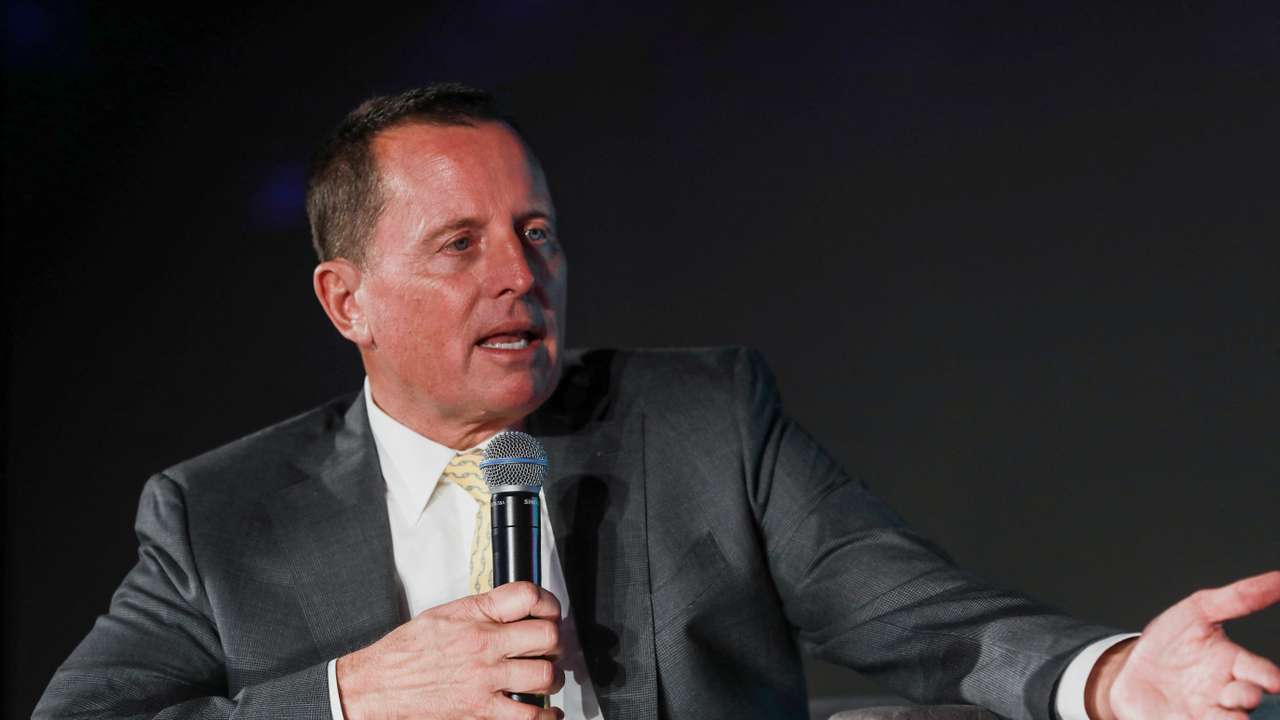
Trump's envoy for special missions, Richard Grenell, had earlier said he spoke with multiple officials in Venezuela and would begin meetings early Tuesday, days after the outgoing Biden administration imposed new sanctions on the government of President Nicolas Maduro.
RECOMMENDED FOR YOU
New Asia Forum: Indonesia to set out progress on sustainable AI data centres
"Diplomacy is back," Grenell said in a post on X disclosing his initial calls. "Talking is a tactic."
Grenell, who served as acting intelligence chief at the end of Trump's first term, also planned to meet with Venezuelan opposition officials in Washington on Tuesday, a source familiar with the matter said.
No comment was immediately available from the Venezuelan communications ministry on Trump's comments or the outreach from Grenell.
Venezuela's oil exports to the U.S. soared 64% to some 222,000 bpd last year, making it its second-largest export market behind China, which took 351,000 bpd, down 18% compared to the prior year.
Since 2019, Venezuela's oil industry has been under U.S. sanctions designed to curb its oil income.
However, Chevron has been allowed since 2022 to ship Venezuelan oil to the U.S. to recoup unpaid dividends from joint venture partners.
'A NEW START'
During his campaign, Trump called Maduro "a dictator" after he pursued a "maximum pressure" campaign against him during his first term from 2017 to 2021, including imposing harsh sanctions on the South American country and its oil industry.
RECOMMENDED FOR YOU

Are universities failing us? Global South Thinkers LIVE
Former President Joe Biden briefly rolled back some of the Trump-era restrictions following electoral promises from Maduro but then reinstated them, saying the Venezuelan leader had reneged on pledges for a fair democratic vote.
Maduro and his government have always rejected sanctions by the United States and others, saying they are illegitimate measures that amount to an "economic war" designed to cripple Venezuela.
Maduro and his allies have cheered what they say is the country's resilience despite the measures, though they have historically blamed some economic hardships and shortages on sanctions.
Maduro has said Trump's re-election offers "a new start" for bilateral relations.
One of Trump's central campaign promises was the mass deportation of undocumented migrants, many of whom come from Venezuela. Sending them back likely would require cooperation from Venezuelan authorities.
In his announcement about Grenell's nomination, Trump said he would work in hotspots around the world, including Venezuela and North Korea.Grenell served as Trump's ambassador to Germany, a special presidential envoy for Serbia and Kosovo peace negotiations, and as acting director of national intelligence during Trump's 2017-2021 term.
Grenell has had previous interactions with Maduro associates.
Reuters reported that in 2020 Grenell secretly met with a Maduro representative to try to work out the Venezuelan leader's peaceful exit from power after his 2018 re-election was considered a sham by most Western countries, but no agreement was reached.
RECOMMENDED FOR YOU
Brazil's presidential election exposes challenge of ensuring equal treatment on Big Tech platforms: Opinion
This article was produced by Reuters news agency. It has not been edited by Global South World.