Uganda, Kenya, South Africa close in on ending HIV with injectables
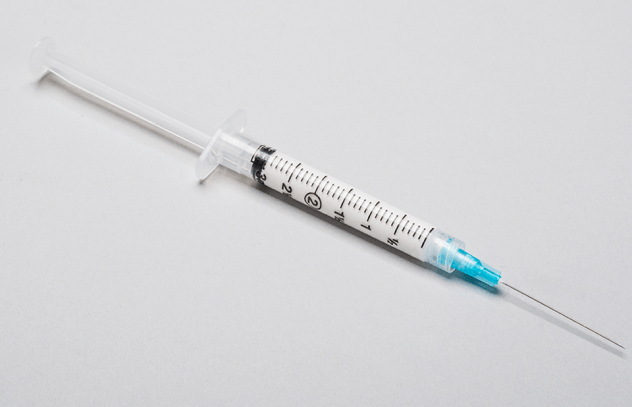
A research collaboration between Uganda, Kenya and South Africa is making headway in developing a vaccine to achieve the UNAIDS goal of eradicating HIV/Aids infections by the end of 2030.
The collaboration between Uganda, Kenya and South Africa commenced in October 2023 following a monetary grant of $45 million to these countries and five others – Tanzania, Nigeria, Zimbabwe, Zambia and Mozambique, the East African reported.
According to the Executive Director of the Joint Clinical Research Centre (JCRC) in Uganda, Dr Cissy Kityo, the country is investigating long-term Antiretroviral injectables which will have the potency to regress the growth of the virus.
Kityo said they aim to find a vaccine that prevents HIV infections with an efficacy of 60 or 80 percent, reports the East African.
“The available treatment is at least one pill a day, before this, patients used to take many pills…people get fatigued from taking pills every day. We are looking at long-acting anti-retroviral therapy (ART), which is given every two months. These are drugs called Cabotegravir and Rilpivirine (CAN and RPV),” Kityo told the Monitor.
RECOMMENDED FOR YOU
Six countries account for three-quarters of Europe’s unicorn startups
"There are other drugs that have been approved in the United States which can be given every six months,” Kityo added.
With the collaboration and coordination of the JCRC, the research is being conducted across the three countries to evaluate the viability of the injectables on the African continent.
In 2022, the Aids Map projected that six injectables a year for a patient was enough and the most effective way of suppressing and consequently eradicating HIV in the world. This was based on a study conducted and presented at the 24th International AIDS Conference in Canada.
"Rapidly rolling out the injection in sub-Saharan Africa could lead to a 27% reduction in new cases in the region in the next roughly 50 years," the study read.