US tops global piracy traffic as illegal streaming surges worldwide
- #health reform
- #social unity
- #GazaHealthcare
- #CorneaTransplant
- #GazaEyeHospital
- #JusticeForVictims
- #UNPeacekeepers
- #AidWorkerAbuse
- #road blockades
- #health crisis
- #La Paz
- #ChildProtection
- #HumanitarianSafeguarding
- #AidSectorReform
- #GlobalSouthConversations
- #DNAJustice
- #IntersecAction
- #Haryana
- #chemical factory
- #explosions
- #Visualized
- #World Visualized

The United States recorded the highest number of visits to piracy websites globally, highlighting the continued scale of digital copyright infringement despite the rapid growth of legal streaming platforms worldwide.
The United States recorded the highest number of visits to piracy websites globally, highlighting the continued scale of digital copyright infringement despite the rapid growth of legal streaming platforms worldwide.
According to data from digital piracy analytics firm MUSO, visualised by World Visualized, the US accounted for approximately 26.68 billion visits to piracy websites, representing 12.33% of total global traffic tracked in the report.
India ranked second with 17.56 billion visits, followed by Russia with 15.40 billion, while Indonesia and Vietnam completed the top five countries for piracy-related web traffic.
The figures reflect continued global demand for free access to movies, television shows, software, music, anime, live sports and video games, even as subscription-based streaming services expand across international markets.
RECOMMENDED FOR YOU
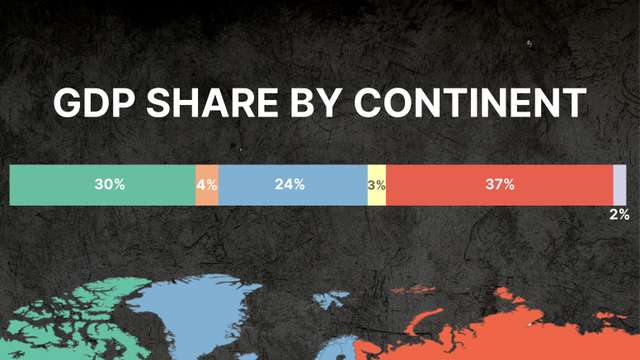
Asia produces the largest share of global GDP
Digital piracy surged during the early internet era through torrent downloads and peer-to-peer file sharing, but analysts say modern piracy has evolved into sophisticated streaming ecosystems that closely resemble legitimate platforms.
MUSO researchers have repeatedly noted that piracy trends often rise alongside growing consumer frustration over fragmented streaming services, regional content restrictions and increasing subscription costs.
Industry experts say users frequently turn to illegal websites when content is unavailable in their region or spread across multiple paid platforms.
The rise of exclusive streaming deals has further complicated access for consumers, particularly in emerging markets where subscription costs remain high relative to average incomes.
Several rapidly growing digital economies ranked prominently in the MUSO data, including India, Indonesia, Vietnam and Thailand.
Analysts say large populations, rising internet penetration and mobile-first digital consumption have contributed significantly to piracy traffic growth across Asia.
India alone accounted for more than 8% of global piracy traffic in the report, driven by strong demand for entertainment, sports broadcasts and software downloads.
Indonesia ranked fourth globally with 12.11 billion visits, while Vietnam recorded 7.44 billion visits to piracy-related websites.
RECOMMENDED FOR YOU

Argentina equals Germany's record with fourth FIFA World Cup final defeat
Researchers note that piracy rates are often influenced by local income levels, access to legal content and enforcement capacity.
Russia ranked third globally in piracy traffic despite increased international sanctions and restrictions affecting digital services in recent years.
Meanwhile, several major Western economies also appeared among the highest piracy users globally, including the United Kingdom, France, Germany and Canada.
Canada and the UK each recorded more than 5.8 billion visits, while France and Germany surpassed 5 billion visits.
Piracy remains widespread even in developed markets due to consumer demand for instant, unrestricted and low-cost access to content.
One of the fastest-growing areas of digital piracy involves live sports broadcasting, particularly football, boxing, Formula One and pay-per-view events.
Media analysts say illegal sports streams attract millions of viewers globally because premium sports rights are increasingly locked behind expensive subscription packages.
The global entertainment industry loses billions of dollars annually due to piracy, according to estimates from copyright protection groups and media industry organisations.
RECOMMENDED FOR YOU

Nearly half the world now lives in cities as urban growth accelerates
Film studios, streaming companies and sports broadcasters have intensified anti-piracy efforts through legal action, domain seizures and AI-powered tracking systems designed to detect illegal content distribution.
Despite tougher enforcement measures and wider access to legal streaming services, MUSO data suggests piracy continues operating at an enormous scale across both developed and emerging economies.
This story is written and edited by the Global South World team, you can contact us here.