African writers can rewrite the refugee narrative — Opinion
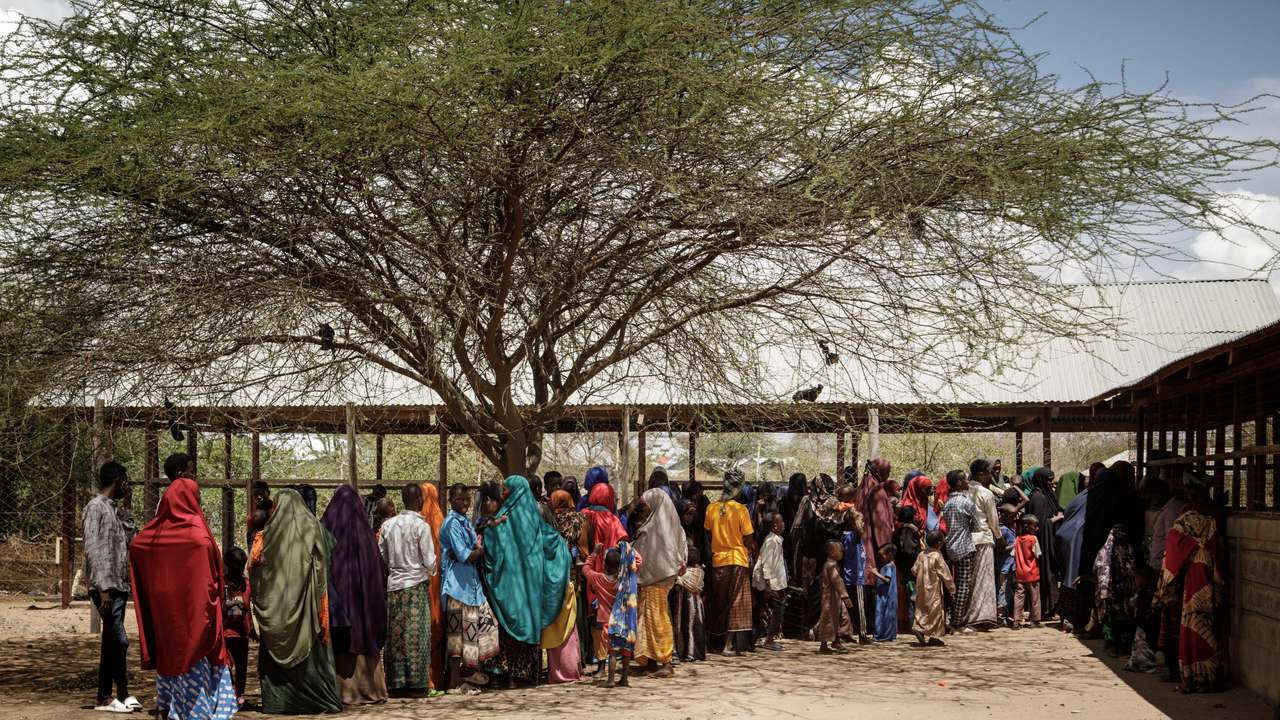
According to the United Nations, Africa hosts more than 40 million forcibly displaced persons, representing around 43 percent of the global total. Refugees constitute a significant portion of the continent’s displaced population.
When you hear the words “African refugees,” what image comes to mind? Hunger and desperation? Probably. Refugees across the continent face enormous barriers. But there is more to these people than their challenges.
It is vital to recognise that refugees do not choose their limiting circumstances. They flee from their homes, in search of safety and a chance to heal and rebuild. They have faced wars, floods, droughts and hunger. Some have walked long miles and have witnessed terrifying events. But none of that erases their potential.
For decades, the mainstream media has shaped our view of the displaced. Particularly in Africa, the stories are often hinged on insecurity and need. While it raises awareness and mobilises aid, it tells only part of the story.
The gap leaves room for harmful stereotypes, and unfortunately, these distorted narratives influence public perception and even policy.
RECOMMENDED FOR YOU
19 killed, 25 injured in Kolkata Durga Puja crowd crush
Over time, the cost of this is paid by the refugees. It steals from their self-esteem, mental health and growth, because when you are only viewed by your problems, it becomes harder to believe you can also be the solution.
Even more concerning is how little space refugees occupy in contemporary African literature. That matters, because literature enables us to see people’s full lives, not just numbers.
Thankfully, some writers are changing that by placing relatable characters at the centre of their work.
Take Charline EFFAH, an acclaimed Gabonese-French author. In her 2023 novel Les femmes de bidibidi, published by Éditions Emmanuelle Collas, she turns to Bidi Bidi, one of the world’s largest refugee camps. Written in French, the book is marked by suspense and is poignant.
It excellently depicts female solidarity in the camp, where care, shared stories and journeys help women rebuild.
Through her book, EFFAH makes a compelling case against domestic violence in and outside refugee communities. She shows the need for empathy, endurance and agency in women whom the world too often renders invisible. Her story is both redemptive and empowering.
“Storytelling about female refugees is particularly powerful because it highlights the unique challenges faced by this vulnerable group. Women and children often bear the brunt of the hardships in refugee situations, from gender-based violence to limited access to education and healthcare. By sharing their stories, we can amplify their voices and advocate for policies and programs that address their specific needs,” experts believe.
Another example is When Stars Are Scattered, a children’s graphic novel by Victoria Jamieson and co-authored with Omar Mohamed, who spent his early years in Kenya’s very crowded Dadaab camp.
RECOMMENDED FOR YOU
Europe's rainfall divide: Norway's coast receives over 3,000 mm while parts of Spain remain dry
The story follows two Somali brothers, Omar and Hassan, who flee their country after their father is killed. Based on Mohamed’s real-life experiences, the book reminds young readers that there are things that displacement may not break: a genuine sense of brotherhood, hope, and the will to dream of a better future.
These, and other works like them, achieve what news stories may not. They acknowledge that refugees are real people with names and dreams, not mere figures. And in doing so, they help us see the millions of African refugees, who are scattered across populous settlements with difficult living conditions, not only as survivors of hardship, but real people with inspiring stories worth telling and futures worth investing in.
The article solely represents the views of Simpson Muhwezi, a Ugandan freelance writer and development practitioner.
RECOMMENDED FOR YOU
New York protesters demand ICE removal after agent shoots Dominican man
