Bangladesh orders striking tax officials back to work; port operations hindered
The Bangladesh government ordered tax and customs workers to return to work immediately on Sunday and end a two-day nationwide strike that has brought tax operations to a standstill, including customs operations at major trade hub Chittagong Port.
“Officials and employees must return to work at once and refrain from activities that harm national interests. Otherwise, the government will be compelled to take strict measures to protect the people and the national economy,” the statement said, without giving details of what such measures might entail.
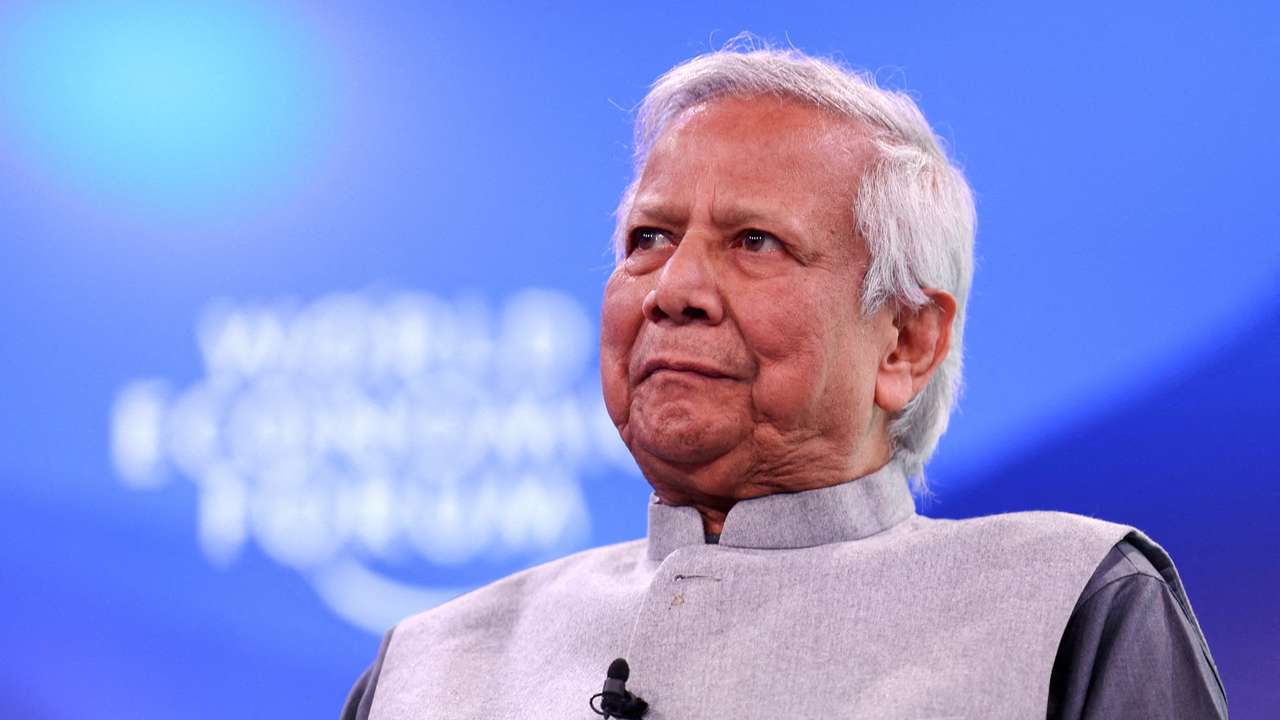
Import-export operations must continue uninterrupted to protect the economy, the interim government of Muhammad Yunus said in a statement, adding that all jobs at the National Board of Revenue (NBR) were deemed essential services.
The protests began after the government issued an order on May 12 dissolving the NBR and creating new revenue divisions. The government has said the changes are needed to modernise and streamline revenue collection, reduce overlaps, and improve efficiency.
RECOMMENDED FOR YOU

Venezuela opposition demands elections as Machado’s return remains uncertain
But many officials in the department fear job insecurity and a loss of institutional independence and are demanding reforms in the new structure and the resignation of the NBR chairman. They launched a full nationwide shutdown on Saturday to press their demands.
Business leaders have voiced concern over the situation, warning that a prolonged deadlock could severely disrupt supply chains, squeeze revenue collection, and deal another blow to investor confidence already shaken by macroeconomic pressures.
Yunus’ administration, which came to power after student-led protests forced then Prime Minister Sheikh Hasina to flee to India, has faced growing discontent in recent weeks.
This article was produced by Reuters news agency. It has not been edited by Global South World.