Turkmenistan Roundup: Halk Maslahaty preparations, smart energy, and Caspian diplomacy
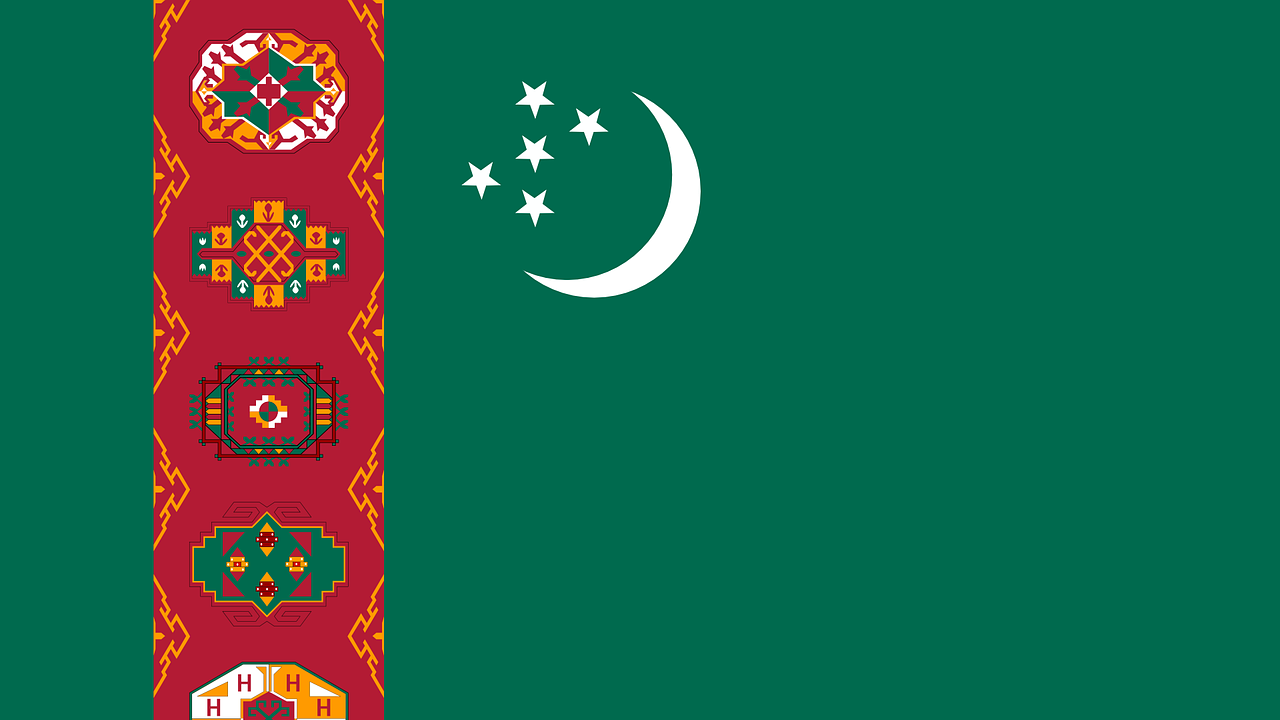
Turkmenistan prepares for a major Halk Maslahaty session ahead of its 35th independence anniversary
Turkmenistan is preparing for a major session of the Halk Maslahaty, the country’s highest representative body, scheduled for September 23, 2026, at the Maslahat Köşgi Palace in Ashgabat. The session comes immediately before celebrations marking the 35th anniversary of Turkmenistan’s independence, giving it both political and symbolic importance. The meeting was formally convened through a resolution signed on 15 July 2026 by Gurbanguly Berdimuhamedov, National Leader of the Turkmen people and Chairman of the Halk Maslahaty. The resolution describes the body as representing the interests of Turkmenistan’s people and says the forthcoming session is intended to strengthen public participation in decisions concerning state and public life. Regional Halk Maslahaty bodies in Turkmenistan’s provinces and Ashgabat have been instructed to submit their lists of public representatives by 1 September 2026. A separate organising committee has also been created to prepare the session, with the Halk Maslahaty apparatus and the Mejlis, Turkmenistan’s parliament, tasked with coordinating preparations at regional and local levels.
Turkmenistan and IOM deepen cooperation on migration governance and anti-trafficking measures
Turkmenistan is expanding cooperation with the International Organisation for Migration (IOM) around migration governance, border management, human trafficking and the protection of vulnerable migrants. The relationship has accelerated during 2026. On May 8, Chairman of the State Migration Service Amanmuhammet Sazakow met IOM Director General Amy Pope at the United Nations in New York. Their discussions covered migration management, humanitarian response and cooperation within the UN system. IOM also highlighted Turkmenistan’s role in providing a humanitarian transit corridor for foreign nationals displaced by instability in the Middle East. Practical cooperation has continued inside Turkmenistan. From 15 to 17 July 2026, IOM organised a three-day programme in Ashgabat to strengthen government capacity for evidence-based migration policy, strategic planning and implementation of the Global Compact for Safe, Orderly and Regular Migration. Officials were also trained to monitor migration-related Sustainable Development Goal indicators as Turkmenistan prepares its third Voluntary National Review.
Smart-well technology signals a wider digital transformation of Turkmenistan’s energy industry
Turkmenistan is increasingly applying smart-well technology, artificial intelligence, sensors and digital monitoring systems to its oil and gas industry as it seeks to raise production efficiency and modernise one of the economy’s most important sectors. A smart well uses monitoring and control systems to provide continuous information on operating conditions and allow production to be adjusted more precisely. Turkmen energy specialists argue that the technology can improve safety, extraction efficiency and the economic performance of wells while reducing the need for costly interventions. This forms part of a broader digitalisation drive. Turkmenistan’s energy strategy now includes AI-based geological analysis, digital oilfields, predictive maintenance, automation, digital twins and advanced reservoir monitoring. An official energy-sector assessment published on 30 July 2026 said AI and advanced analytics can help operators identify equipment problems before failures occur, improve production planning and strengthen environmental monitoring.
Turkmenistan pushes for stronger regional action to protect the Caspian Sea
Turkmenistan is continuing its diplomatic and environmental campaign to protect the Caspian Sea, with President Serdar Berdimuhamedov calling for deeper cooperation among the five littoral states: Turkmenistan, Azerbaijan, Iran, Kazakhstan and Russia. The government has announced plans for another high-level Caspian environmental meeting in October 2026, intended to move regional cooperation to what Berdimuhamedov described as a new stage. The initiative follows an earlier meeting hosted by Turkmenistan in August 2025 involving deputy prime ministers from the coastal states. Environmental protection is increasingly important because the Caspian faces declining water levels, pollution, pressure on biodiversity and risks associated with offshore energy development and coastal economic activity. Turkmenistan’s approach is built partly around the Tehran Convention, the regional framework signed in 2003 to protect the Caspian marine environment. It covers pollution from land, vessels and seabed activities, protection of biological resources, environmental monitoring and cooperation during emergencies.
RECOMMENDED FOR YOU
Think you know what the Third World means? Think again
Turkmenistan and Afghanistan reinforce economic ties through energy and transport projects
Turkmenistan and Afghanistan continue to deepen relations built around energy, transport, trade and what both governments describe as longstanding historical and cultural ties. For Ashgabat, Afghanistan is not only a neighbouring state but a crucial corridor connecting Turkmenistan’s energy resources with South Asian markets. The most important project remains the Turkmenistan–Afghanistan–Pakistan–India gas pipeline, alongside the TAP electricity transmission project, fibre-optic infrastructure and railway links. The relationship has increasingly focused on practical infrastructure. Projects include the Serhetabat–Herat section of the TAPI pipeline, known as Arkadagyň ak ýoly, the Serhetabat–Herat fibre-optic line, a warehouse complex at Torghundi dry port, railway development from Torghundi towards Afghanistan’s interior, and electricity infrastructure in Herat Province. At a UN Security Council briefing on Afghanistan on 8 June 2026, Turkmenistan’s Permanent Representative Vepa Hajiyev said stability in Afghanistan was essential to prosperity across the wider region. Turkmenistan argued that infrastructure and economic integration should be regarded as tools for long-term stabilisation rather than support for any particular Afghan political force.
This story is written and edited by the Global South World team, you can contact us here.