China’s AI push gives Jack Ma a chance to ‘Make Alibaba Great Again’
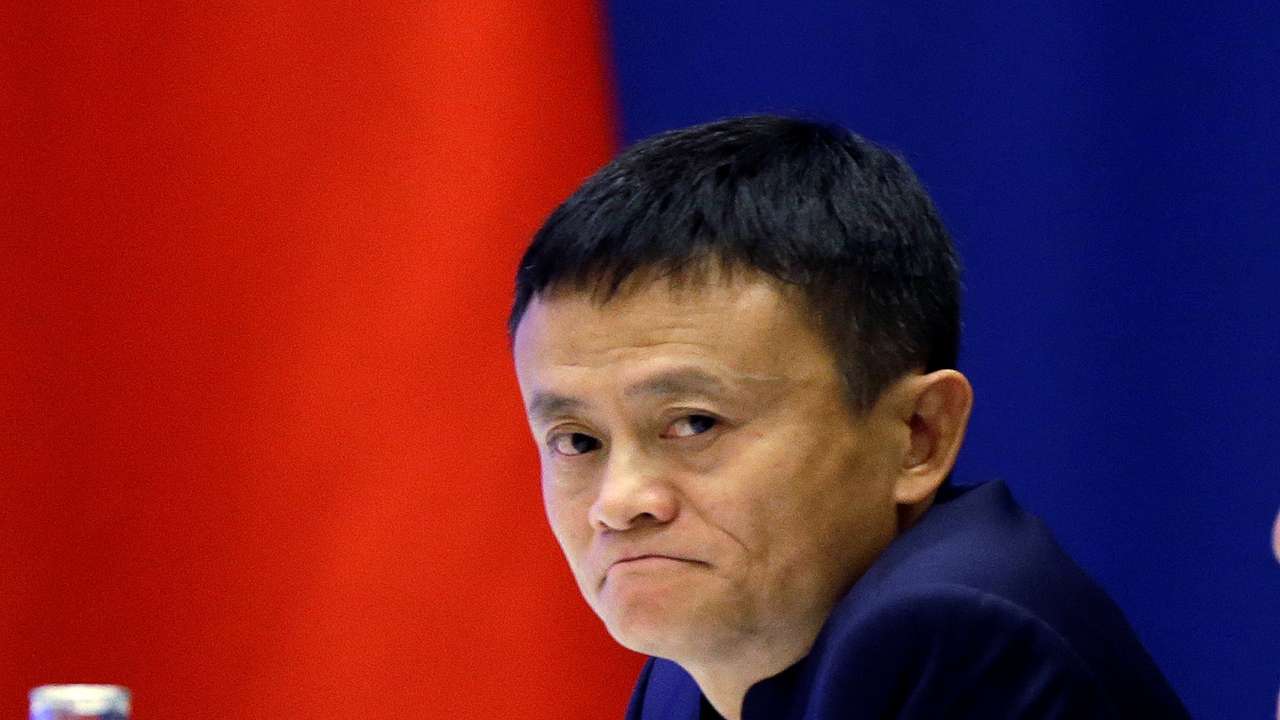
Earlier this year, Chinese tech mogul Jack Ma returned to Alibaba with a renewed focus on artificial intelligence and a broader effort to “Make Alibaba Great Again” after years of regulatory pressure.
After stepping back from public view during China’s crackdown on the tech sector in 2020, Ma is now more involved in the company’s operations than at any time since stepping down as chairman in 2019, according to people familiar with the matter who spoke to Bloomberg.
Alibaba is now betting heavily on AI to regain its lead in China’s e-commerce market. In February, the company pledged to invest more than 380 billion yuan ($52.4 billion) over three years in AI and cloud infrastructure.
It recently unveiled its latest AI reasoning model, QwQ-32B, saying it “almost entirely surpasses OpenAI-o1-mini and rivals the strongest open-source reasoning model, DeepSeek-R1.” The announcement lifted Alibaba’s Hong Kong-listed shares by 8%.
Alibaba first launched its ChatGPT-style service Tongyi Qianwen in 2023 and has continued to upgrade its models, including January’s release of Qwen 2.5 Max, which it said outperformed DeepSeek’s V3 model.
RECOMMENDED FOR YOU
Giant Indonesian flag carried through Yogyakarta ahead of Independence Day
China’s government has pledged greater support for “emerging industries and industries of the future,” including AI, humanoid robots and quantum technology. Under its 2017 New Generation Artificial Intelligence Development Plan, Beijing set a goal of becoming a global leader in AI by 2030.In February, Ma and President Xi Jinping were pictured shaking hands during a gathering of top Chinese tech figures, a moment many observers saw as symbolic of Ma’s rehabilitation and return to Beijing’s good graces.
Ma’s renewed involvement comes as Alibaba battles JD.com, Meituan and PDD Holdings for market share. Alibaba’s e-commerce dominance has slipped from the roughly 85% share it once held, though it remains a major player and controls 43% of China’s food delivery market, just behind Meituan.
Alibaba was one of the biggest casualties of Beijing’s crackdown, losing almost US$700 billion of market value after Ma’s 2020 speech criticising Chinese lenders, which prompted regulators to halt Ant Group’s record IPO and tighten oversight of the tech sector.
Since then, Alibaba has restructured its business, replaced former chief executive Daniel Zhang with Ma’s longtime lieutenants Joe Tsai and Eddie Wu, and refocused on technology and its core e-commerce operations.
“Jack has kind of a moral authority in the company to make the big calls and also to criticise executives, indirectly or directly, or criticise strategy when he thinks it’s in the wrong direction,” said Duncan Clark, author of "Alibaba: The House That Jack Ma Built."
Whether Alibaba’s AI investments can restore its dominance remains to be seen. But with Ma back on campus and Beijing pushing to become an AI superpower, Alibaba is once again poised to reclaim its spot at the centre of China’s tech ambitions.
This story is written and edited by the Global South World team, you can contact us here.