Columbia Roundup: Airlines price control, Supreme Court siege, health investment
Airlines price control
The International Air Transport Association (IATA), representing 325 airlines globally, has raised concerns over recent regulations in Colombia aimed at controlling airfare prices during events that disrupt connectivity. A letter to the Director of Aerocivil at IATA, Sergio Paris acknowledged the importance of regulatory policies but emphasized the need to consider the unique characteristics of the airline industry. The association highlighted the relevance of tariff freedom, allowing market dynamics to influence price structures, El Tiempo reports. "Until today, that tariff freedom has produced indisputable positive results, because since Colombia migrated from tariff control to tariff freedom, a greater number of citizens can access the service, which is becoming more and more democratized every day. That is why, according to TGI Colombia, in 2022, 75 percent of respondents who reported travelling by air, belonged to socioeconomic levels 2 and 3," the letter read. IATA’s letter calls for a balance between regulatory measures and market-driven flexibility in the air travel sector.
Judicial systems
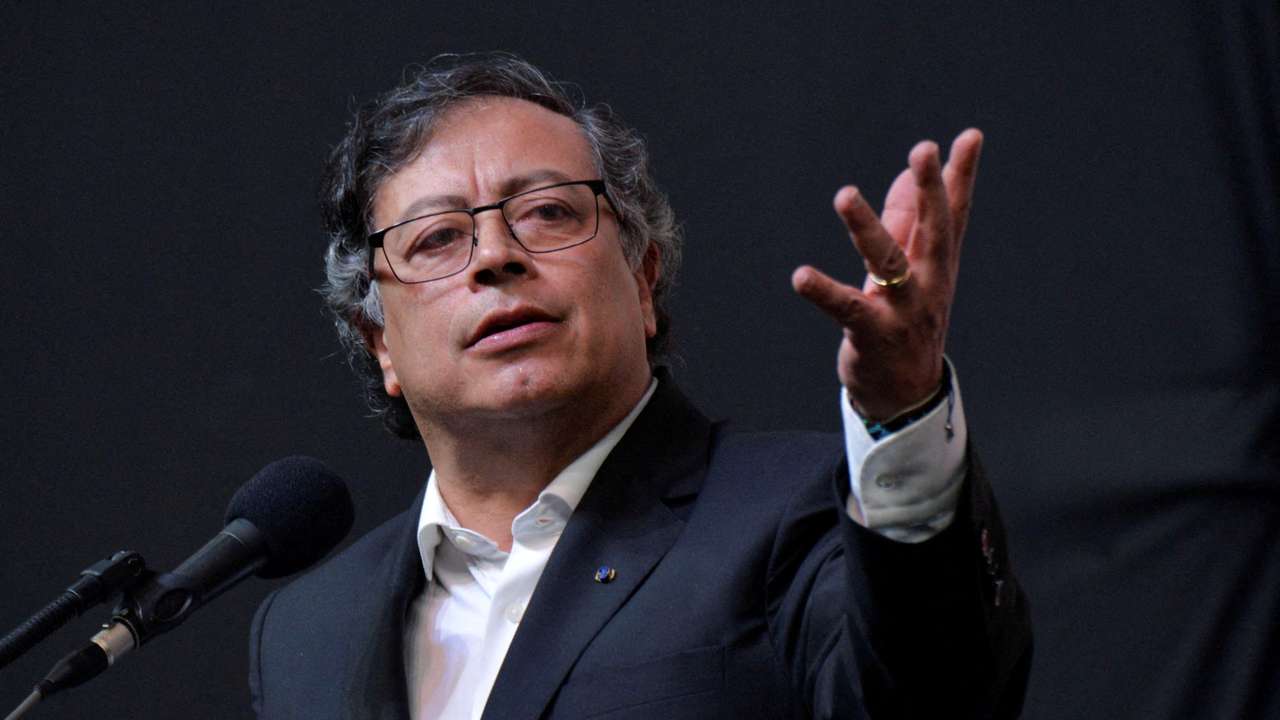
Colombian President Gustavo Petro has emphasized the need to reinforce international judicial systems, pointing specifically to the importance of strengthening the United Nations and the Inter-American Human Rights System. President Petro highlighted these institutions as essential tools for addressing human rights violations and international crimes on a global scale. While Petro's initial comments were centred on the Israel-Palestine situation, where he has been a vocal critic of Israel's actions, he noted the broader significance of fortifying these international judicial mechanisms. "The inter-American and world judicial systems must be strengthened and be the main instrument of humanity to judge the violation of human rights and international crimes against the people," he is quoted by El Espectador.
RECOMMENDED FOR YOU
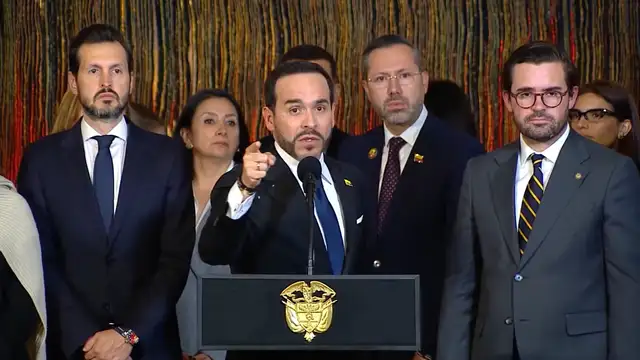
‘Submit or end up dead’: Colombia president warns criminal groups
Supreme court siege
In response to the recent siege on the Supreme Court of Justice, allegedly incited by President Gustavo Petro, Justice Minister Néstor Osuna has condemned the distortion of what he acknowledges as a legitimate protest. Osuna, in an interview with El Colombiano, characterized the events as an "abuse of the right to protest" while affirming the legitimacy of the demonstration. He asserts that the situation was adequately addressed and brought under control. The Minister also addressed the ongoing reform of the justice system, which the government plans to initiate in 2024. Despite Petro's challenges with popularity and political support, the reform aims to revisit the criminal justice system, particularly focusing on reverting obstacles imposed after 2004. Osuna revealed that citizens have presented around 30 initiatives, aligning with the common goal of returning to an original accusatory criminal system. This includes repealing restrictions and granting judges the authority for negotiations, cessation of proceedings, and other discretionary powers.
Health care for inmates
The Constitutional Court has mandated the Ministry of Justice and the Ministry of Health to implement measures ensuring healthcare for individual prison inmates. The directives include healthcare provision both within and outside penitentiaries when required. The Ministry of Justice is specifically instructed to include a dedicated chapter in its semi-annual report, detailing progress and outcomes on this matter, El Espectador reports. The Fourth Room for the Review of Guardianships has directed the National Superintendence of Health to establish tools for surveillance, control, and follow-up. These tools aim to investigate entities, such as EPS or IPS, that hinder or avoid providing health services to inmates. The Superintendence will also oversee cases involving denied appointments, transfers, or medications, ensuring timely care for those deprived of liberty. This court decision arises from a guardianship case filed by individuals detained at El Barne prison (Boyacá) and Acacias (Meta). The petitioners highlighted insufficient treatment for health issues like chronic hypertension and diabetes.
$6bn health investment
The Ministry of Health and Social Protection in Colombia is set to invest $6 billion in the technological and personnel equipment of various health posts across municipalities in the Atlantic region. Minister Guillermo Alfonso Jaramillo made this announcement during a public hearing on the health reform process. The investment aims to benefit municipalities such as Sabanalarga, Campo de la Cruz, Luruaco, Manatí, Palmar de Varela, and Piojó, among others, The Herald reports. The initiative seeks to strengthen health services in underserved and neglected areas. Minister Jaramillo emphasized collaboration with local authorities, including the mayor of Barranquilla, Alejandro Char, to enhance healthcare in neglected neighbourhoods. Additionally, efforts are underway at the national level to achieve financial stabilization for hospitals, irrespective of ongoing reform discussions. Minister Jaramillo stressed the importance of equipping and capitalizing healthcare institutions as part of broader initiatives.