From Nepal's first female chief justice to interim head, the rise of Sushila Karki
- #Asia
- #Pacific
- #Corruption
- #Bribery
- #Embezzlement
- #Freedom of Speech
- #Censorship
- #Crime
- #Law
- #Justice
- #Defense
- #Emerging Market Countries
- #White Collar Crime
- #Fraud
- #Corporate Crime
- #Human Rights
- #Civil Rights
- #Judicial Process
- #Court Cases
- #Court Decisions
- #Lawmaking
- #Management Issues
- #Policies
- #government
- #Politics
- #South Asia
- #International
- #National Security
- #Social Media
- #Civil Unrest
- #Elections
- #Voting
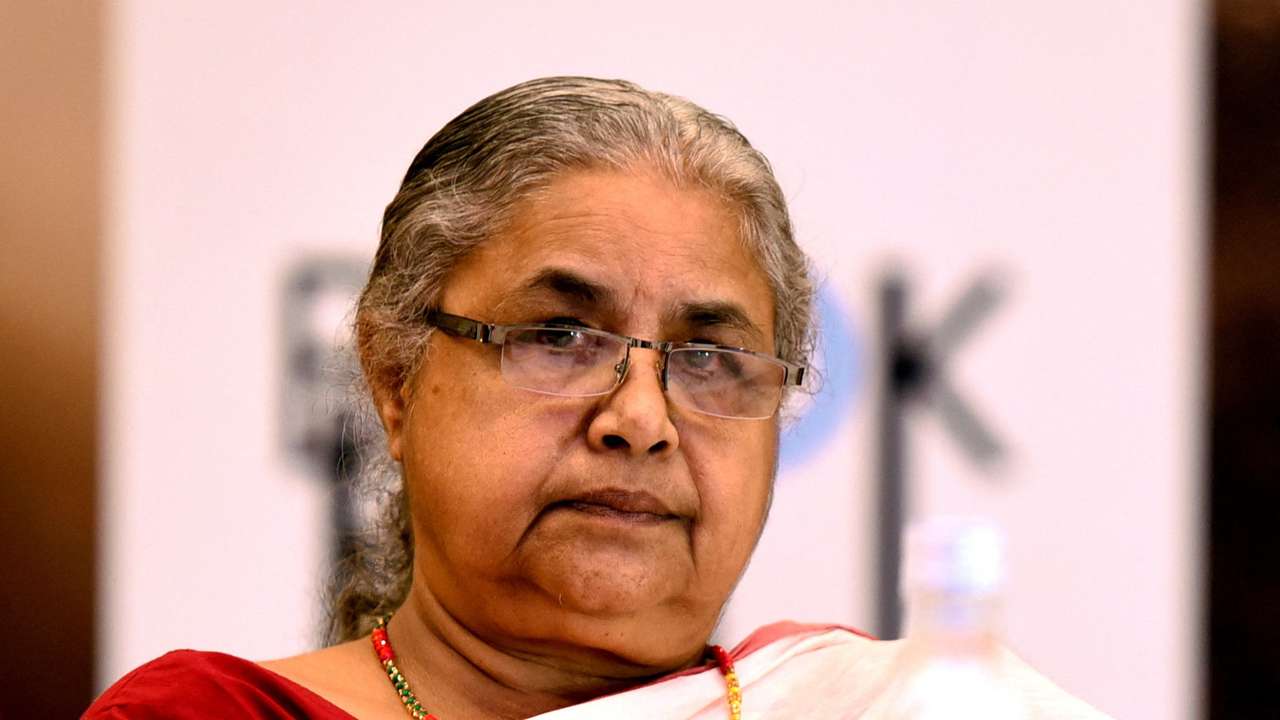
By Sakshi Dayal and Sarita Chaganti Singh
Nepal's first female chief justice, Sushila Karki, is set to take charge as interim head, stepping in to run the poor Himalayan nation after anti-graft protests plunged it into the worst political crisis in decades.
Karki's appointment on Friday came days after violence led to the deaths of at least 51 people and forced Prime Minister K.P. Sharma Oli to resign on Tuesday.
A judge who displayed zero tolerance of corruption, Karki is known for taking on powerful interests, in a stance that may have cost her the top judicial post, as the government moved to impeach her less than a year into her tenure.
RECOMMENDED FOR YOU

Kuwait Roundup: New arbitration law advances, Canada investment ties deepen and Hormuz security dominates talks
The proposal was dropped after public pressure, but a disillusioned Karki quit on her own.
"She faced an impeachment motion... but never lowered her principles. She is the perfect choice to handle Nepal's crisis," Supreme Court lawyer J.L. Bhandari told Reuters.
This week's violence subsided after Oli stepped down but authorities have retained prohibitory orders in some areas, with the army patrolling the streets and key political leaders, now discredited, in hiding.
It is against this backdrop that Karki, with limited experience of politics or governance, has been temporarily handed the leadership role.
"She is a good choice but will need a good team," Dipendra Jha, a Supreme Court advocate who worked with Karki for 10 years, told Reuters.
The eldest of seven children, Karki was born in 1952 to a farming family in the jute-growing village of Shankarpur and completed a master's in law from India's Banaras Hindu University before launching her legal practice in 1979.
As a student, she was associated with the Nepali Congress party that dominated politics, and joined a 1990s movement against the panchayat system, a centralised form of government that consolidated the king's power, leading to a brief jail spell.
"Even as a child she treated everyone as equals and encouraged us to go to school," her younger sibling, Junu Dahal, told the Thomson Reuters Foundation in 2016, the year Karki became chief justice.
RECOMMENDED FOR YOU

Explosions at Taiwan waste site injure 15, damage dozens of homes
Karki has vowed to work for Nepal's development.
"We will try to establish a new beginning for the country," she told Indian broadcaster CNN-News18 on Wednesday.
This article was produced by Reuters news agency. It has not been edited by Global South World.