Germany open to ideas on frozen Russian assets, finance minister says
- #Americas
- #Asia
- #Pacific
- #Central
- #Eastern Europe
- #CIS Countries
- #Conflicts
- #War
- #Peace
- #Defense
- #Diplomacy
- #Foreign Policy
- #East European Countries
- #Europe
- #Middle East and Africa
- #Emerging Market Countries
- #European Union
- #Euro Zone
- #Government Finances
- #International Agencies
- #Treaty Groups
- #North America
- #North Asia
- #North Atlantic Treaty Organization
- #government
- #Politics
- #US President
- #Western Europe
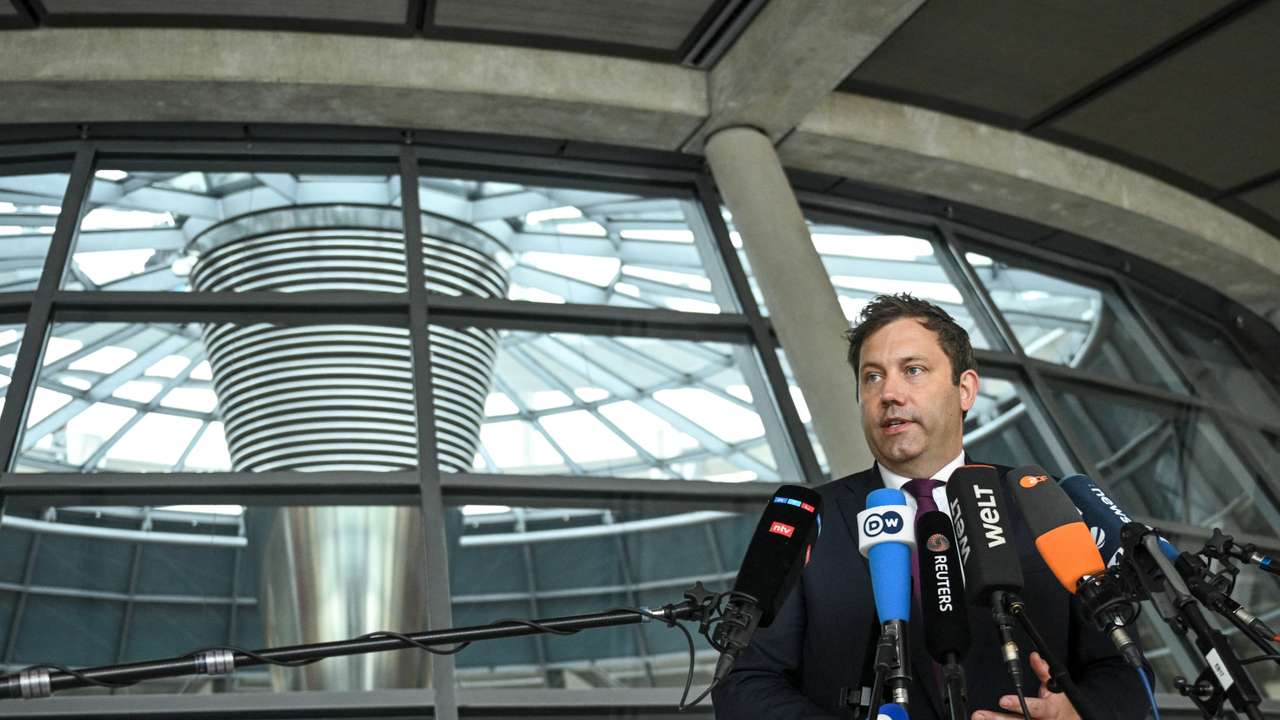
Germany wants to work productively on ideas regarding the use of Russian assets frozen in the European Union, Finance Minister Lars Klingbeil said in Copenhagen on Friday, indicating an openness in Berlin towards the legally fraught issue.
"Everything must be carefully examined," Klingbeil said ahead of talks with his EU counterparts.
"Germany will take on a role in which we want to make things possible and not one in which we block things," he added.
Wary of seizing the assets, a red line for some in the EU, the bloc is discussing ways to use them more intensively to fund support for Ukraine amid uncertainty over the United States' commitment to Kyiv under President Donald Trump.
RECOMMENDED FOR YOU
Sanchez pledges to restore normality in Ceuta after mass migrant arrivals
So far, the EU has only taken interest generated from the assets, which were frozen after Moscow's invasion of Ukraine in February 2022.
Germany has in the past repeatedly expressed legal concerns over any proposals to seize them completely.
Klingbeil said his coalition government was committed to pursuing more intensive use of the frozen assets, despite the legal difficulties.
"There is a financial need there. We want to fulfill our responsibility for Ukraine," he told reporters.
This article was produced by Reuters news agency. It has not been edited by Global South World.