Ghana's Mahama calls for African ‘health sovereignty’ as foreign aid declines
Ghanaian President John Mahama has urged African governments, investors and manufacturers to strengthen local pharmaceutical production, warning that declining foreign aid has made greater health self-reliance increasingly urgent.
Speaking at the Alamein Africa Forum on Saturday, Mahama said African economies spend tens of billions of dollars each year importing medicines and vaccines while traditional donor assistance continues to decline.
“African pharmaceuticals represent a high-yield, resilient sector that is ready and open for investment,” Mahama said, pointing to the continent’s growing population and the African Continental Free Trade Area as opportunities to expand local production.
He said greater domestic manufacturing could improve health security, create jobs and retain skilled workers. Citing WHO figures, Mahama said Africa faces a shortage of six million health workers while nearly one million trained healthcare professionals and science graduates remain unemployed.
Mahama also argued that local production would reduce costs and help prevent African countries from being pushed to the back of the queue for lifesaving medicines and vaccines during health emergencies, as experienced during COVID-19 and Ebola outbreaks.
RECOMMENDED FOR YOU
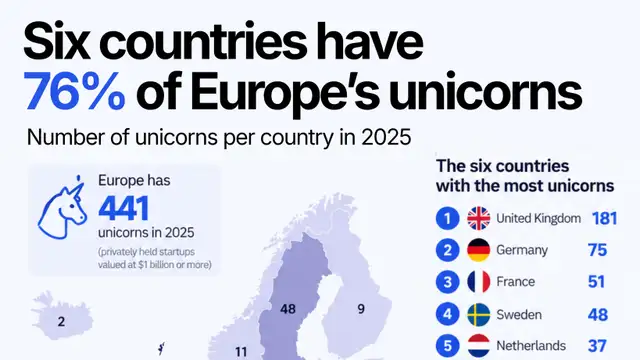
Six countries account for three-quarters of Europe’s unicorn startups
He called for stronger investment mechanisms, faster implementation of the African Medicines Agency and increased capacity to produce active pharmaceutical ingredients on the continent.
“Let us stop treating health as a line item expense in our budget,” Mahama said. “Let us build the factories, integrate supply chains, fund innovators, and secure our citizens’ future.”
The three-day Alamein Africa Forum began on Friday in New Alamein, Egypt, bringing together around 1,500 officials, business leaders, investors and representatives of financial institutions from across Africa.
This story is written and edited by the Global South World team, you can contact us here.