Imvepi’s unrest is more than an election dispute — Opinion
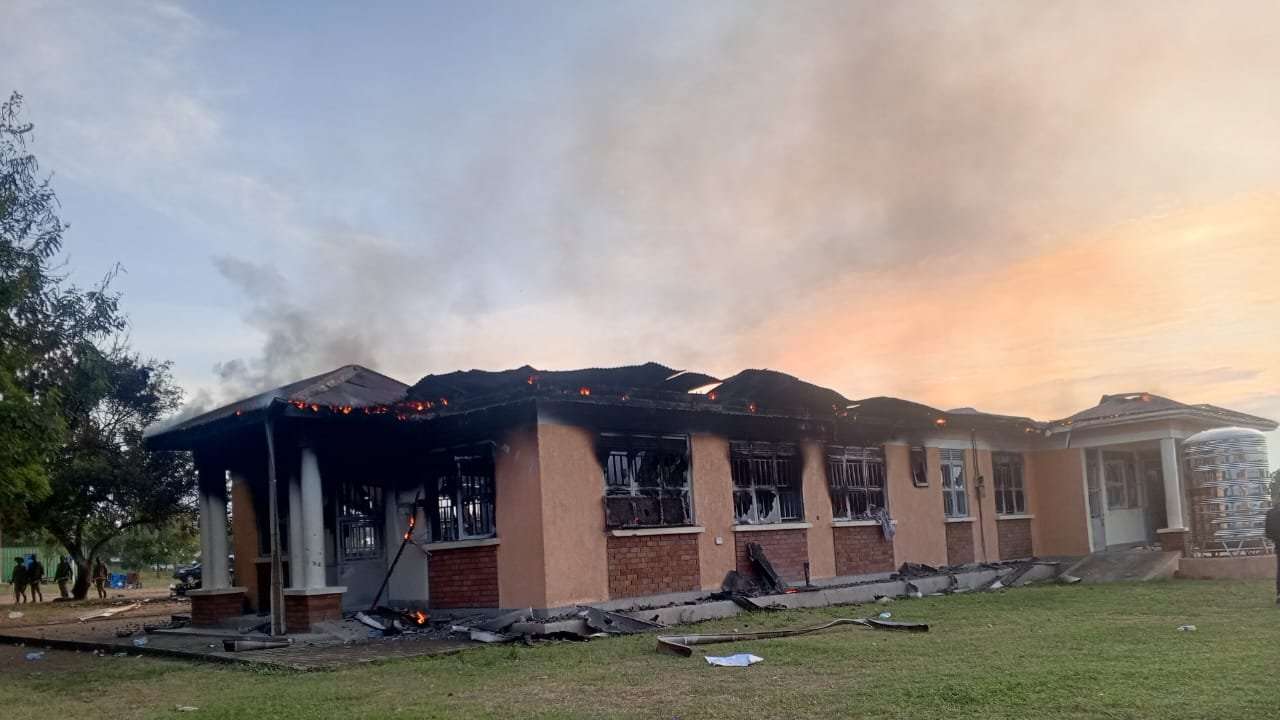
On the afternoon of August 25, violence erupted in the Imvepi refugee settlement, located in the West Nile region of Uganda, resulting in the tragic deaths of two people.
The incident stemmed from a chaotic electoral process, particularly as refugees prepared to vote for their Refugee Welfare Council (RWC) 1 and 3 representatives. RWCs are a local leadership structure in the settlement.
According to a statement from Uganda Police, the disagreements were sparked by the failure of one aspirant, Loro Charles James, to secure nomination. Dissatisfied with guidance from the Office of the Prime Minister (OPM), which clarified that aspirant Loro was not cleared to contest, his supporters, mainly South Sudanese refugees, took the law into their own hands.
Despite being restrained by Police, they descended on the police station and OPM offices, setting some administrative structures ablaze and vandalising other government property.
Police allege that the two deaths were from stray bullets, and that two of their officers sustained injuries.
RECOMMENDED FOR YOU
We can't 'build a wall' around Ceuta and throw migrants over it - Sanchez blasts EU
“It should be noted that the two who died were among the South Sudan refugees who attacked Imvepi Police Station and attempted to grab guns from our officers,” says Senior Superintendent of Police (SSP) Josephine Angucia, the West Nile region Police Spokesperson.
About 37 refugees have since been arrested, pending investigations.
Beyond the immediate chaos, the events in Imvepi settlement reflect a deeper crisis among displaced communities: the deep-seated emotional stress that waits for the perfect moment to be let out.
Uganda hosts close to 2 million refugees, mainly from South Sudan, the Democratic Republic of Congo (DRC) and Somalia.
Displaced people carry heavy psychological burdens, shaped by the winding cycle of painful experiences, which may manifest in varying levels of anger and lawlessness.
According to the World Health Organisation (WHO), “exposure to potentially traumatic events such as conflict, abuse, violence and extended detention is associated with mental health conditions such as depression and PTSD.”
These challenges are exacerbated by situations of hardship in the camps: domestic violence, hopelessness, unemployment, scarcity, drug abuse, inequity and the adverse impact of climate change.
WHO further notes that exposure to stigma often discourages victims from seeking support, prolonging the problem.
RECOMMENDED FOR YOU
3,000 athletes are in Kyrgyzstan for the World Nomad Games — But this sport could steal the show
The view is validated by recent experiences of the Oli Trauma Centre in Arua, Northern Uganda, a community-based mental health initiative offering support to refugees. Some of the biggest barriers to access are cultural misconceptions and the lack of trust, the Centre observes.
This is because mental distress is often perceived as witchcraft, while some people are genuinely unaware of how and why to seek such support.
Considering the limited availability of facilities, there is an immediate need for more rehabilitation centres with spaces that speak to the safety, needs and the ever-growing number of refugees.
This goes hand-in-hand with human capacity development. With shrinking foreign aid, governments and civil society organisations must mobilise more local resources for the psychosocial wellbeing of refugees. In the long run, this investment will benefit not only the displaced but also their hosts.
Additionally, community outreach efforts must be intensified in order to equip potential victims with appropriate and sufficient information. This could help alleviate the high levels of apathy.
But these measures may not yield much if mental health concerns are not prioritised by policymakers. Particular investment should be dedicated to research, which remains dismally low despite the growing health concerns.
RECOMMENDED FOR YOU
‘Mexico is never for sale’ Sheinbaum declares at independence parade
The article solely represents the views of Simpson Muhwezi, a Ugandan freelance writer and development practitioner.
