Libya armed mobilisation causes concern, UN says
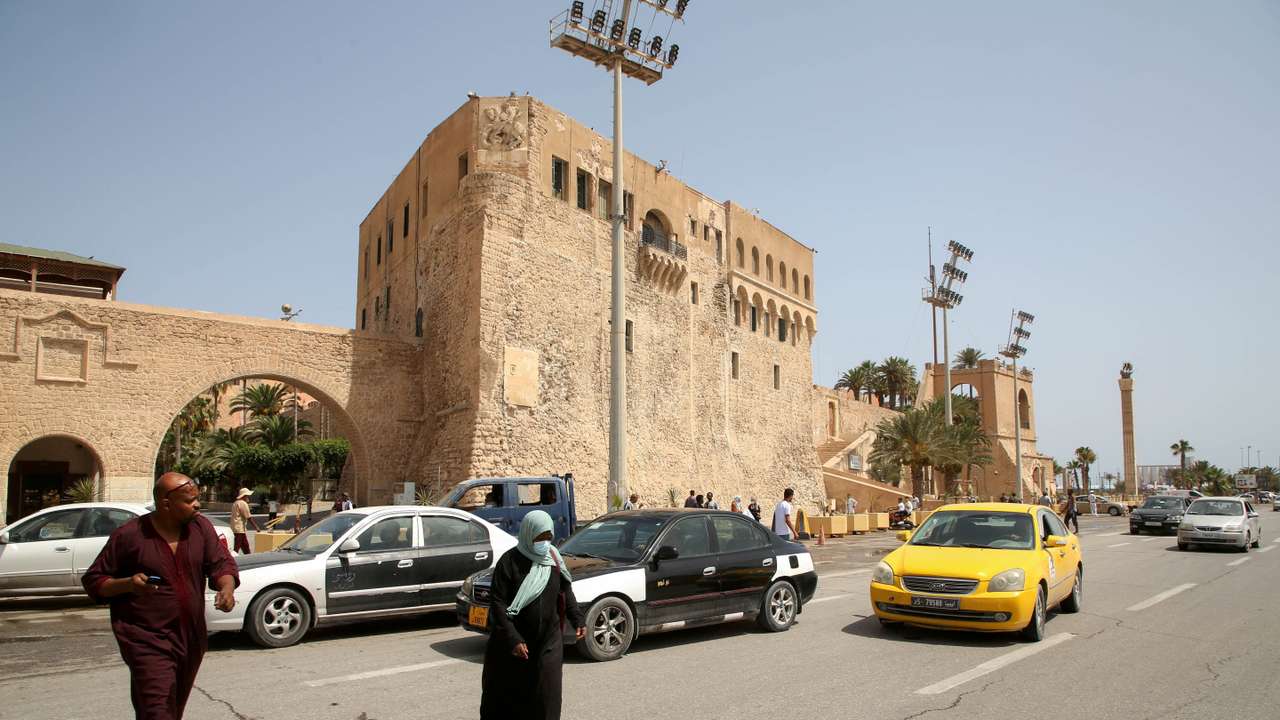
Libya armed mobilisation causes concern, UN says
The United Nations Libya mission said late on Thursday it was concerned about reports of forces mobilising in Tripoli and threats of force to resolve a crisis over control of the central bank.
The mission's deputy head, Stephanie Koury, told the U.N. Security Council on Monday that the political and military situations in Libya had deteriorated rapidly over the previous two months, including a series of mobilisations by armed factions.
"The display of military power and armed confrontations in densely populated neighbourhoods is unacceptable and threatens the lives and security of civilians," the mission said in its Thursday statement.
RECOMMENDED FOR YOU

A wake-up call: The countdown for Latin American democracy — Opinion
The latest round of tensions emerged after efforts by political factions to oust the Central Bank of Libya (CBL) head Sadiq al-Kabir, with rival armed factions mobilising on each side.
On Friday the man proposed as a replacement governor for Kabir, Mohammed al-Shokri, said in a statement he would only accept the job if both the country's rival legislative bodies backed him for it.
Libya, a major oil producer on the Mediterranean, has had little stability since a 2011 NATO-backed uprising. The country split in 2014 between warring eastern and western factions, eventually drawing in Russian and Turkish backing.
Major fighting paused with a ceasefire in 2020 but efforts to end the political crisis have failed, leaving major factions in place, occasionally joining in armed clashes, and competing for control over Libya's substantial economic resources.
The country's political leaders are drawn from bodies elected a decade or more ago, or installed during periodic international peacemaking efforts to oversee repeated failed transitions. Diplomacy aimed at national elections to replace all Libya's political bodies has stalled.
Eastern Libya, where the parliament sits, is controlled by commander Khalifa Haftar's Libyan National Army (LNA).
Tripoli and the northwest, where the internationally recognised Government of National Unity (GNU) and most major state institutions are based, is home to rival armed factions that have repeatedly fought.
In late July and early August rival groups in northwest Libya mobilised against each other, while the LNA moved a force into southwest Libya, prompting fears of east-west fighting.
RECOMMENDED FOR YOU

New Asia Forum: Indonesia to set out progress on sustainable AI data centres
Meanwhile the eastern-based House of Representatives parliament has also renewed calls to unseat the GNU and Presidency Council. There is also stalemate in the High State Council, one of the internationally recognised legislative bodies, after a contested vote over its leadership.
Tensions over control of the central bank were increased after Presidency Council head Mohammed al-Menfi issued a decision to replace Kabir and the board, a move rejected by the parliament.
This article was produced by Reuters news agency. It has not been edited by Global South World.