Slovak president urges lawmakers to rethink criminal law reform, thousands protest
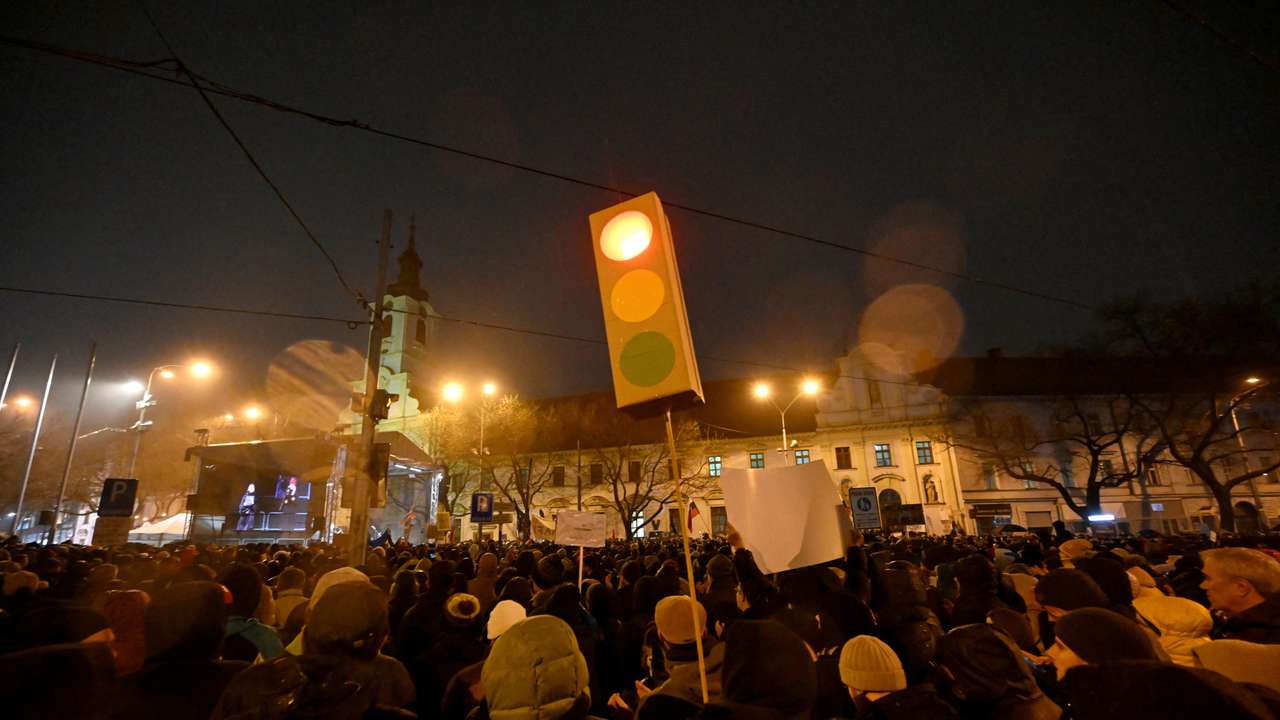
Slovak president urges lawmakers to rethink criminal law reform, thousands protest
By Jan Lopatka and Radovan Stoklasa
Slovakia's president urged lawmakers on Thursday to reconsider plans to scrap a special prosecution office for high crimes and lower sentences for financial crimes, as tens of thousands protested against moves they see as threats to the rule of law.
The government led by four-time Prime Minister Robert Fico is trying to fast-track changes it says are necessary to end what it calls excesses at the Special Prosecution Office (USP) during the time when Fico was in opposition.
RECOMMENDED FOR YOU
Brazil's presidential election exposes challenge of ensuring equal treatment on Big Tech platforms: Opinion
Fico has argued that Slovak sentences are too harsh compared with many European countries, and has accused the USP of bias against his party.
Pro-Western liberal opposition parties have argued the changes would grant impunity to politicians and business leaders with links to the current government.
President Zuzana Caputova told parliament it was "unprecedented" to fast-track such changes.
She pointed out that the European prosecutor's office had raised concerns the planned changes might lead to insufficient punishment for abuse of European Union funds.
She also said the proposed reduction in sentences would go beyond that in neighbouring states. As an example, Caputova said a burglary that caused damage of up to 350,000 euros ($380,000) might only be punished by a suspended sentence, as might many other serious crimes, including money laundering.
Shortening statutes of limitations would at once end liability for thousands of crimes, she warned.
"The four-way combination of the fundamental lowering of sentences, higher damage thresholds, changes to conditions of suspended sentences and changes in statutes of limitations would be a resignation of the state in protecting its citizens," Caputova said.
Later on Thursday, thousands gathered at a rally organised by the opposition in the capital Bratislava to oppose the government plans.
RECOMMENDED FOR YOU
‘Meta, don't meddle’ - Lula supporters protest alleged election bias in Brazil
"Europe follows our fight for rule of law and democracy," opposition party Progressive Slovakia leader Michal Simecka told the crowd, which he and organisers estimated at 26,000.
"Enough of Fico!" the crowd chanted.
Thousands more protested in 23 regional capitals and smaller settlements across the country of 5.5. million, Slovak media reported.
'CORRECT' STEP
Fico said the government stood firm behind the proposals, arguing they would right some wrongs and modernise criminal law.
"These are steps we consider fundamentally correct," he told a briefing.
The European Commission and the United States have both raised objections. The European Parliament called for the executive European Commission to take action "to safeguard the rule of law and judicial independence".
The USP opened a number of cases against business leaders, members of the judiciary and police following a 2020 election victory by parties promising to fight graft.
RECOMMENDED FOR YOU

New Asia Forum: Indonesia to set out progress on sustainable AI data centres
While in opposition, Fico himself faced police charges, later dropped, that he used information from police and tax authorities to discredit political rivals.
This article was produced by Reuters news agency. It has not been edited by Global South World.