Trump signs order to cut funding for South Africa over land policy, ICJ case
By Kanishka Singh and Steve Holland
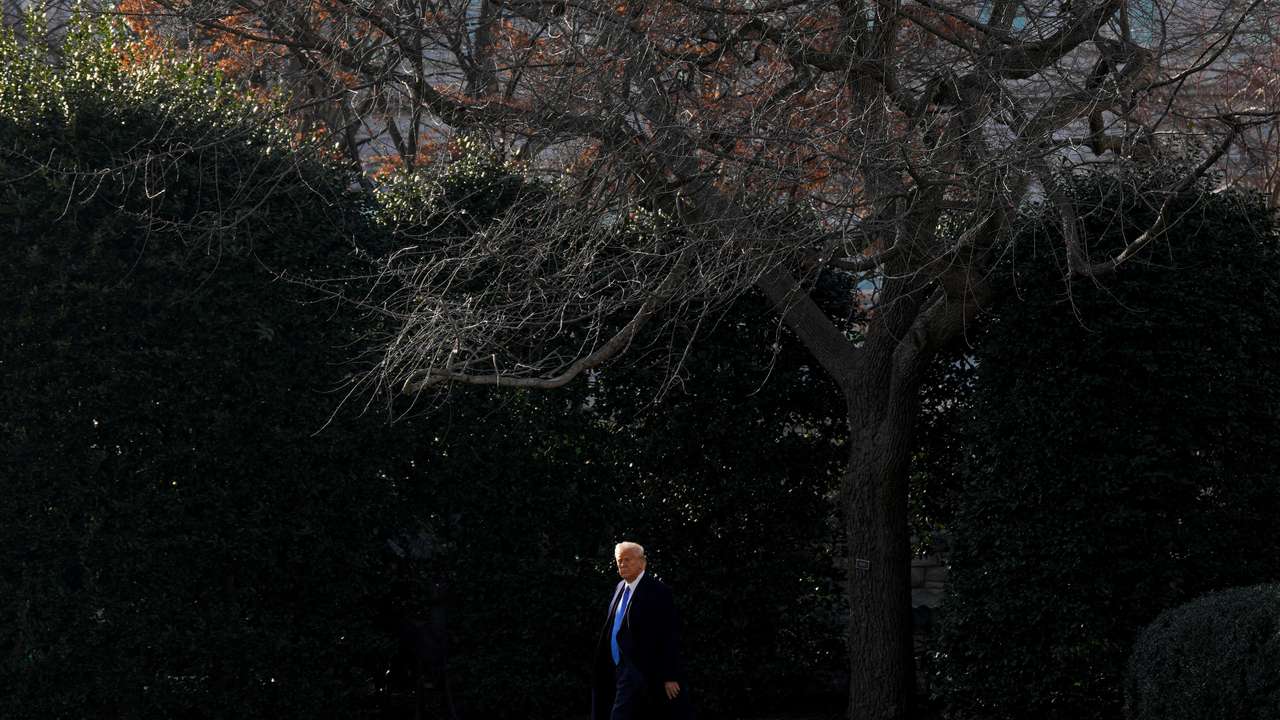
President Donald Trump signed an executive order to cut U.S. financial assistance to South Africa, the White House said on Friday, citing disapproval of its land policy and of its genocide case at the International Court of Justice against Washington's ally Israel.
The United States allocated nearly $440 million in assistance to South Africa in 2023, the most recent U.S. government data shows.
South Africa's foreign ministry said on Saturday the executive order "lacks factual accuracy and fails to recognize South Africa's profound and painful history of colonialism and apartheid."
RECOMMENDED FOR YOU
RSF index reveals that press freedom gaps widened globally in 2025
The White House said Washington will also formulate a plan to resettle white South African farmers and their families as refugees.
It said U.S. officials would take steps to prioritize humanitarian relief, including admission and resettlement through the United States Refugee Admissions Program for Afrikaners in South Africa, who are mostly white descendants of early Dutch and French settlers.
South Africa's foreign ministry said: "It is ironic that the executive order makes provision for refugee status in the U.S. for a group in South Africa that remains amongst the most economically privileged, while vulnerable people in the U.S. from other parts of the world are being deported and denied asylum despite real hardship."
Trump has said, without citing evidence, that South Africa is confiscating land and that certain classes of people are treated "very badly."
South African-born billionaire Elon Musk, who is close to Trump, has said white South Africans have been the victims of "racist ownership laws."
South African President Cyril Ramaphosa, who signed into law a bill last month aimed at making it easier for the state to expropriate land in the public interest, has defended the policy and said the government had not confiscated any land. The policy was aimed at evening out racial disparities in land ownership in the Black-majority nation, he said.
Ramaphosa also has said South Africa "will not be bullied." Washington also has complained about the case brought by South Africa at the International Court of Justice, where it accused Israel of genocide over its military offensive in Gaza that has killed tens of thousands and caused a humanitarian crisis. Israel denies the allegations, saying it acted in self-defense following the deadly Oct. 7, 2023, attack by Palestinian Hamas militants.
The White House cited that case as an example of South Africa taking positions against Washington and its allies. The order also mentioned South Africa's ties with Washington's Middle East rival Iran.
RECOMMENDED FOR YOU

G7 and European leaders discuss Ukraine plan on margins of G20, sources say
South Africa's British imperial masters gave most farmland to whites. In 1950, the Afrikaner National Party passed a law taking 85% of territory for themselves and kicking 3.5 million Black people off their ancestral homelands.
In the 30 years that the African National Congress has been in power, some land restitution has happened under a "willing buyer, willing seller" model, but white landowners still possess three-quarters of South Africa's freehold farmland. This contrasts with 4% owned by Black people.
AFRIKANERS 'ARE GOING NOWHERE'
AfriForum, a right-wing lobby group, and the mainly white Solidarity Movement expressed appreciation for Trump's recognition of "injustice" against Afrikaners but regretted the withdrawal of aid.
"We did not and will not ask for sanctions against South Africa or that funds for vulnerable people be cut off by the U.S. Government," said Flip Buys, Chairperson of the Solidarity Movement of which AfriForum is a part.
"We believe that ordinary South Africans should not bear the cost of diplomatic disputes and of the ANC's policies."
Kallie Kriel, CEO of AfriForum, said if Afrikaners became refugees in the U.S., their cultural identity would be lost, a risk they would not take.
"We are indigenous to this country and we are going nowhere," he said.
RECOMMENDED FOR YOU
US hires 50,000 federal workers under Trump, boosting immigration roles
This article was produced by Reuters news agency. It has not been edited by Global South World.