Ukraine aid: Hungary says it is far from agreement with EU
Ukraine aid: Hungary says it is far from agreement with EU
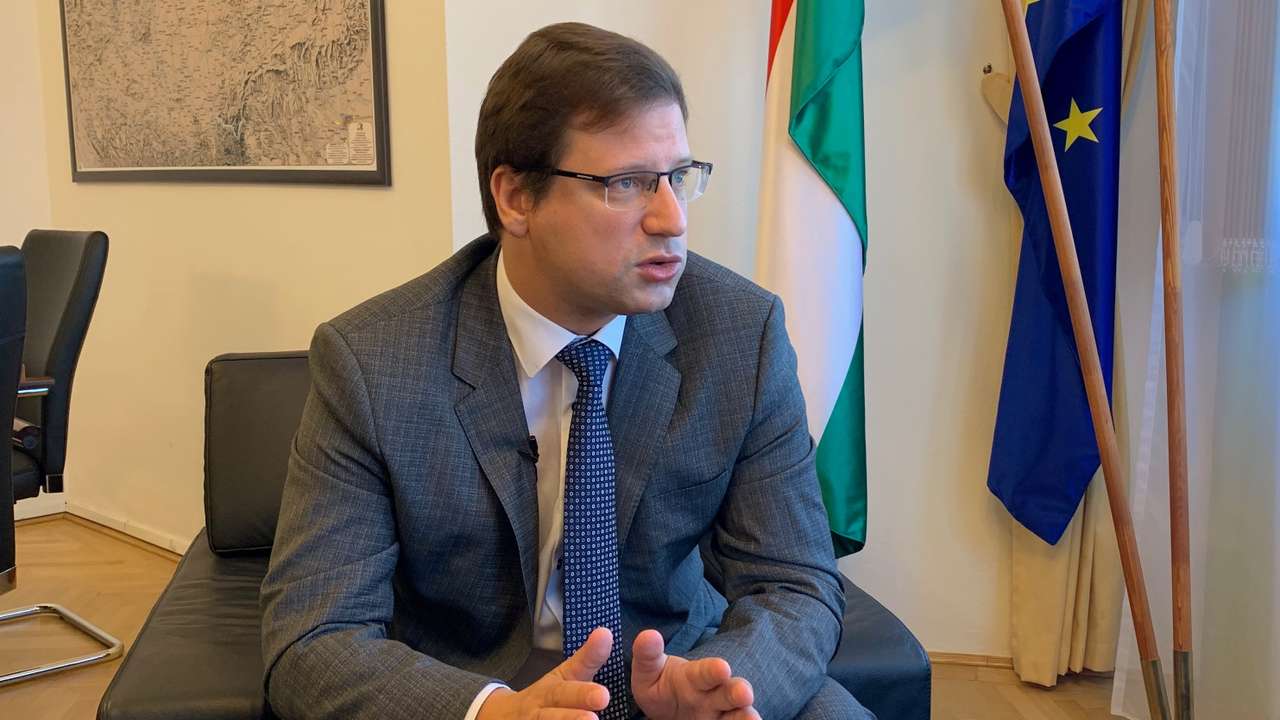
Hungary is far from reaching an agreement with the European Union on aid for Ukraine, the Hungarian prime minister's chief of staff said on Thursday.
The EU is seeking to agree more financial aid for Ukraine as it battles a Russian invasion when the bloc's leaders meet at the start of February, although Hungarian Prime Minister Viktor Orban remains opposed.
"We are negotiating with the (European) Commission but our positions are far from each other, so an agreement is not certain," Gergely Gulyas told a briefing.
RECOMMENDED FOR YOU

A wake-up call: The countdown for Latin American democracy — Opinion
"However, a lack of agreement would not be a tragedy either because in that case the 26 members states can support Ukraine," he said, adding that Hungary did not rule out supporting Ukraine bilaterally.
Ursula von der Leyen, who heads the EU's executive Commission, said on Wednesday she was confident of finding a solution between the bloc's 27 members.
Gulyas said that Hungary was against supporting Ukraine "by taking out a loan, and we do not think it is a good idea to do it within the EU's budget either because Hungary's money might end up being given to Ukraine."
While EU leaders last month agreed to start accession talks with Ukraine, Hungary vetoed extending the money to Kyiv.
The Commission has proposed channelling the aid through a review of the EU's shared 2024-27 budget, which would also provide more financing for migration and other priorities.
Providing aid under 26 bilateral deals is an option that has been discussed, but is more complicated and expensive than going via central coffers, and could damage EU unity.
This article was produced by Reuters news agency. It has not been edited by Global South World.