UN says waterborne illnesses spread in Gaza due to heat, unsafe water
UN says waterborne illnesses spread in Gaza due to heat, unsafe water
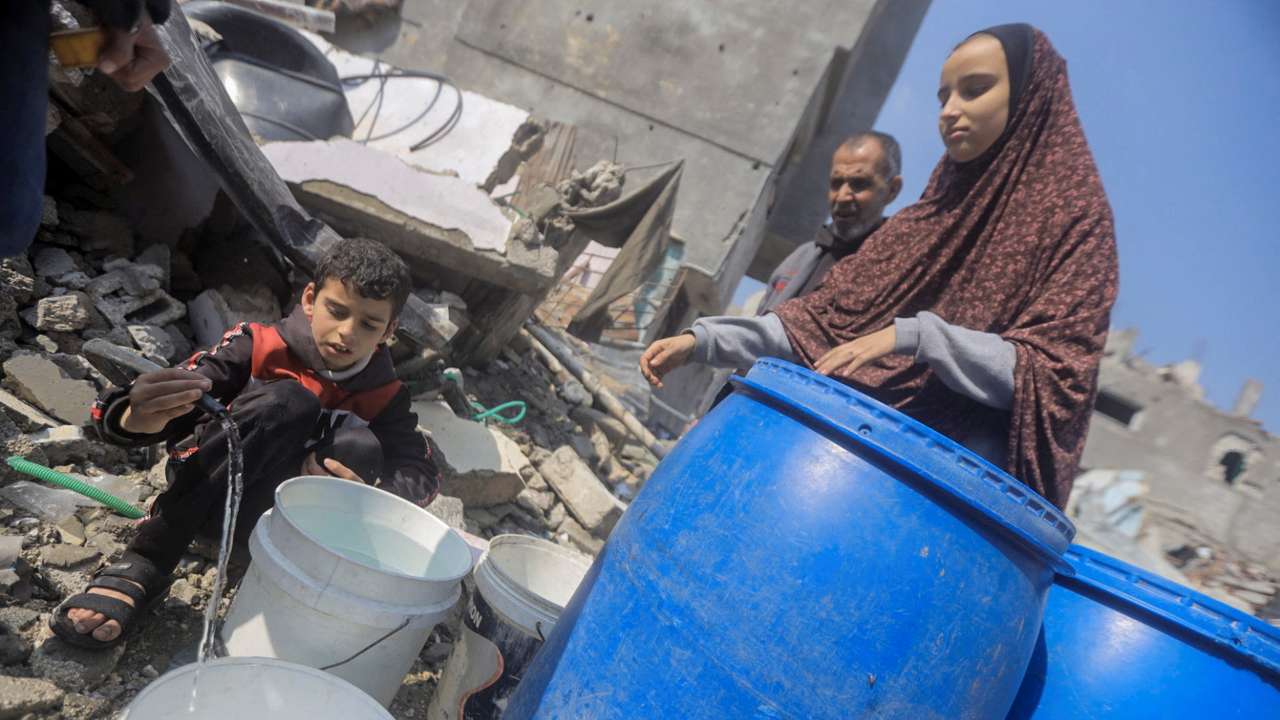
Waterborne diseases are spreading in Gaza due to a lack of clean water and rising temperatures, the United Nations humanitarian coordinator in Gaza said on Friday.
"It is becoming very hot there," Jamie McGoldrick told reporters via video link from Jerusalem. "People are getting much less water than they need, and as a result, there have been waterborne diseases due to lack of safe and clean water and the disruption of the sanitation systems."
"We have to find a way in the months ahead of how we can have a better supply of water into the areas where people are currently crowded at the moment," he said, after making his final visit to Gaza at the end of his three-month assignment.
RECOMMENDED FOR YOU

Six countries account for three-quarters of Europe’s unicorn startups
Contaminated water and poor sanitation are linked to diseases such as cholera, diarrhoea, dysentery and hepatitis A, according to the World Health Organization.
Since mid-October, following the assault on Gaza in response to deadly attacks in southern Israel by Hamas, WHO has recorded more than 345,000 cases of diarrhoea, including more than 105,000 in children under 5.
Israel has committed to facilitate the ability of humanitarian organisations to scale up aid in Gaza, and has approved the resumption of the operation of the water pipeline in northern Gaza.
The Gaza Strip's only natural source of water is the Coastal Aquifer Basin, which runs along the eastern Mediterranean coast from the northern Sinai Peninsula in Egypt, through Gaza and into Israel.
Its quality over the years has deteriorated rapidly, largely because it had been pumped out to meet the demands of Gaza's population more rapidly than it could be replaced by rainwater.
This article was produced by Reuters news agency. It has not been edited by Global South World.