Unpopular foods that are delicacies in Africa
Africa is undoubtedly characterized by its rich culture, traditions and heritage. Tourist sites, festivals and culinary diversity are some of Africa’s biggest boasts as many people around the world travel miles to experience the exceptionality of Africa’s pride.
From main meals like Jollof and Eba with Egusi soup to snacks and desserts like Samosa and Egg and Pepper, Africa can boast of some of the best culinary experiences.
While some of these dishes have gained popularity on the global front, others still remain less popular.
Call them ‘unpopular’ but they make great delicacies in Africa and these dishes will surely surprise you.
We explore a selection of these unpopular yet delightful foods that are delicacies in Africa.
RECOMMENDED FOR YOU

Six countries account for three-quarters of Europe’s unicorn startups
Mopane worms

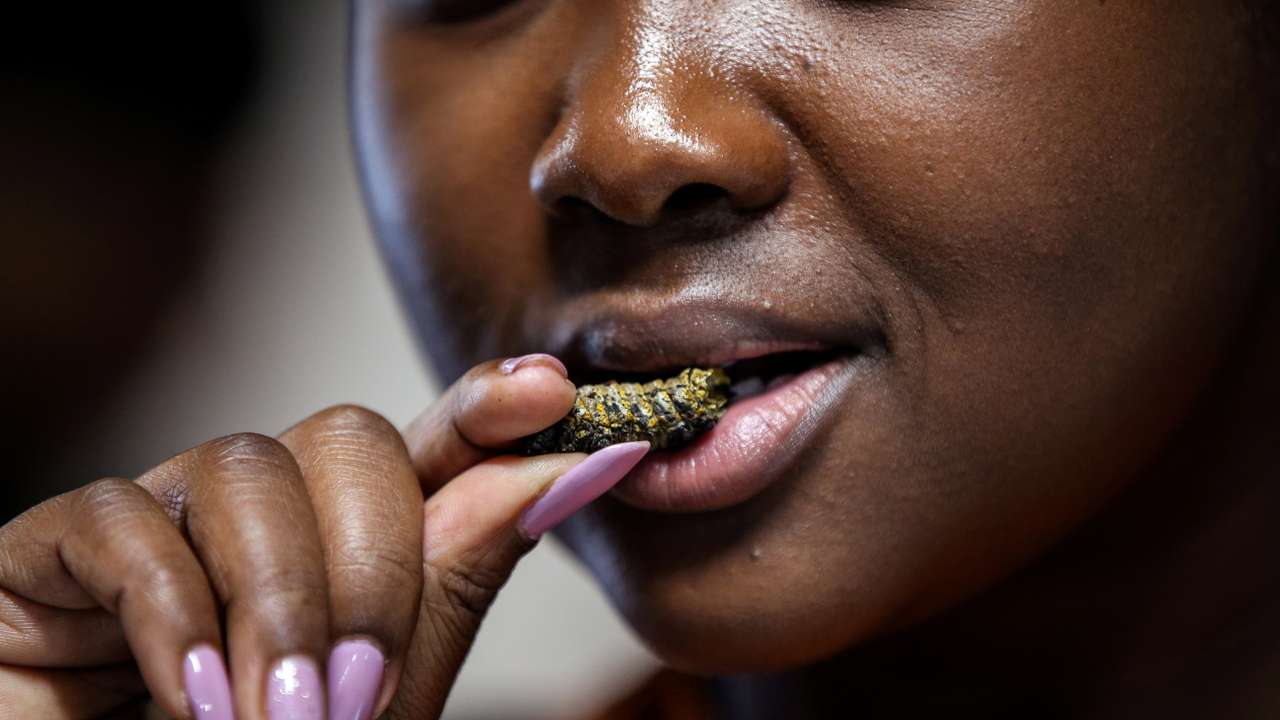
Peculiar as it may sound, Mopane worms make some of the best stews and snacks in Southern Africa. Considered to be high in protein, iron, calcium, zinc and other vitamins, the caterpillars of the Emperor Moth are made into different meals.
For a crispy crunchy snack, the worms are dried and flavoured to the preferred taste. Flavourful stew can also be made from these wriggly animals when they are rehydrated and fried or steamed and then combined with sauce.
It is said to provide a distinctly earthy and nutty flavour and can be combined with pap or Sadza (ball-like maize meals).
It is usually enjoyed in various Southern African countries including South Africa, Botswana and Zimbabwe.
Fried Termites
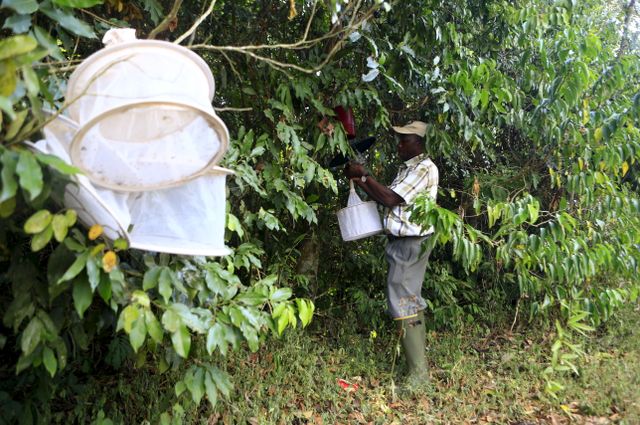
Their bites could be very painful and irritating but they make delicious meals in Uganda.
They are usually harvested during the rainy season, washed and prepared by removing the wings and then first cooked until the water evaporates and then they are fried till crispy.
RECOMMENDED FOR YOU

Burkina Faso to stop importing armoured vehicles, Traore says
Their flavour and rarity make them a sought-after delicacy in Uganda.
Warthog meat
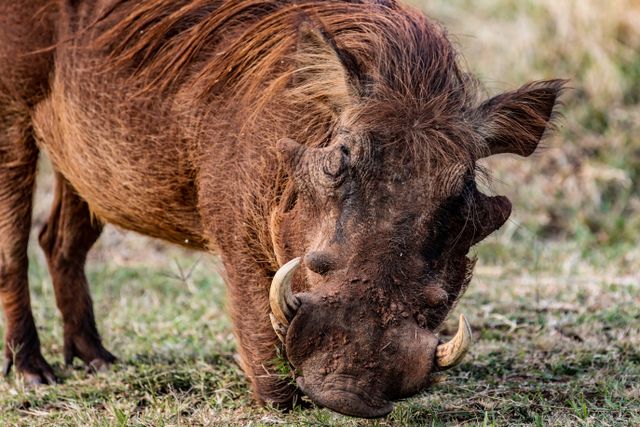
They are one of the most hunted animals in Namibia because of their meat. They are treated like pork, transformed into different forms for consumption.
The meat of these wild animals is a local delicacy known for its rich and gamey flavour and can be eaten either grilled, cooked or fried.
A taste of this meat could be simply described as an adventure on a plate. It is also popular in some Southern African countries.
Cow foot soup
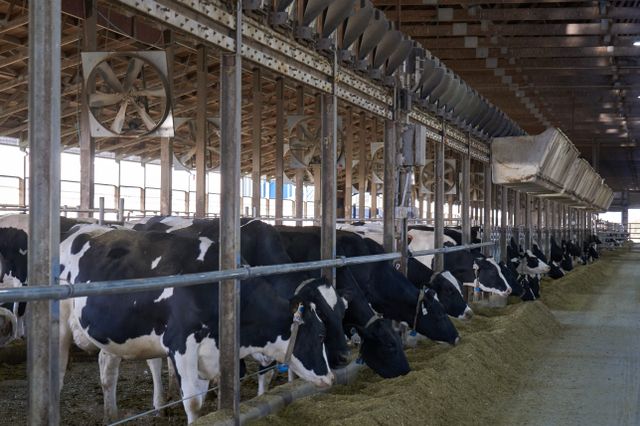
It is usually attributed to Sierra Leoneans and known as ‘Nyaamajama,’ but it is very popular in other West African countries including Ghana.
Derived from the feet of cattle as indicated by its name, the meat is slowly cooked and used in the preparation of mouth-watering soup dishes.
RECOMMENDED FOR YOU

Sheinbaum rings historic bell as thousands fill Zocalo for Mexican Independence Day
It is also used to prepare sumptuous stews that go with a variety of accompaniments including rice, and yam among others.
Nsenene
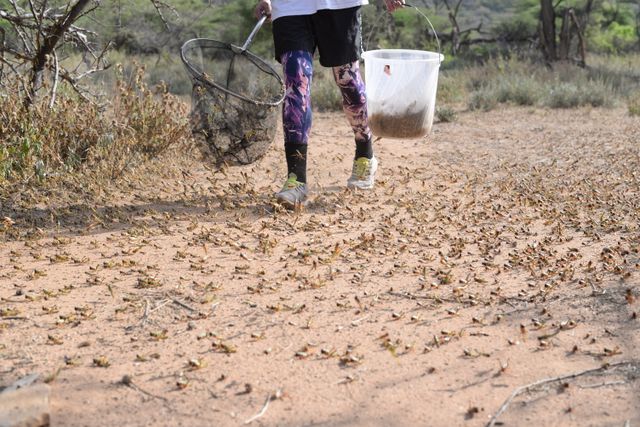
They can be described as nature’s nimble acrobats with their hops and camouflage abilities. But they are not only popular in the insect world but also in the human world where they serve as a distinct snack.
In Uganda, the meal known as Nsenene is usually prepared by frying with oil, spices and onion to make a tasty crunchy snack.
The wings of the grasshoppers are plucked off after harvest before they are pan-fried.
Cow skin
Cow skin or hide, is a very popular delicacy in some African countries. It has many names; ‘pomo’ in Nigeria, and ‘wele’ in Ghana. Although popular in other countries, both countries are known for their wide consumption of cow skin which is usually added to stews or soups and served with other dishes.
Cow skin is well enjoyed by many due to its unique texture and flavour and sometimes is used as a substitute for meat.
RECOMMENDED FOR YOU

Russia signs BRICS Pay and technology deals in New Delhi