Why so much of the world's waste never gets recycled
Every year, the world generates roughly 2.1 billion tonnes of waste, yet only 14% is recovered, according to Estefanía Abello, co-founder of Muta, a Colombian tech company working to overhaul the waste management industry.
While a handful of countries recover up to 90% of their materials, most of the global recycling sector remains disconnected and heavily reliant on manual processes.
“The biggest problem is that the key players are completely fragmented,” Abello says, pointing to the disconnect across the supply chain. Waste generators often do not know where to take their materials, recyclers struggle to find buyers, and manufacturers seeking recycled inputs rarely secure a steady supply.
Bridging the gap through technology
Muta’s platform links waste generators, recyclers, and operators, enabling them to schedule collections and trace materials from start to finish. Users can also track recovery volumes and, in some cases, measure avoided carbon emissions.
Beyond logistics, the technology aims to improve the livelihoods of informal waste pickers, particularly those working with hand-pulled carts. In Colombia, Muta partners with local associations to link collectors directly with recovery warehouses. By optimizing routes and boosting collection volumes, workers can move more material and increase their earnings. “With these efficiencies, you see better incomes for recyclers and a dignification of their work,” Abello notes.
RECOMMENDED FOR YOU
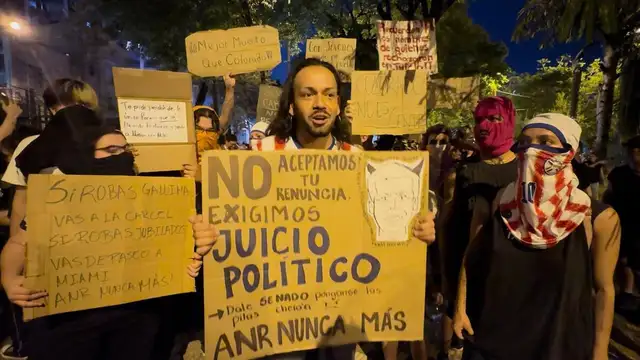
‘We want our money’ – Paraguay protesters demand Peña's impeachment as banking crisis sparks unrest
Looking ahead, Muta aims to process over 10 million tonnes of recovered materials within five years and help push global recovery rates past 20%. For Abello, fixing waste management is both an environmental imperative and an economic opportunity. “Our mission is to end garbage,” she says. “We imagine a planet where garbage does not exist only materials in constant movement.”
This story is written and edited by the Global South World team, you can contact us here.