Why Nigeria scored poorly in global Human Rights Assessment

Nigeria has received one of the lowest global scores in a new international human rights report, highlighting widespread abuses, systemic government failures, and deteriorating living conditions.
The findings are based on the 2025 dataset released by the Human Rights Measurement Initiative (HRMI), an independent, non-governmental organisation that tracks human rights compliance in over 190 countries.
According to HRMI’s Rights Tracker platform, Nigeria scored just 3.2 out of 10 in the Safety from the State category, placing it among the world’s worst performers. The country was specifically flagged for arbitrary arrests, torture, enforced disappearances, and extrajudicial killings.
“This is the first time we have produced civil and political rights data for Nigeria, and it is already clear that the government in Abuja has a long way to go in protecting the basic rights of its citizens,” said Nkosi Sibanda, HRMI’s East and Southern Africa Lead, in a statement.
The National Human Rights Commission (NHRC) of Nigeria reported a steady rise in human rights complaints. In May 2025 alone, the NHRC recorded 275,256 cases, a 5% increase from April.
RECOMMENDED FOR YOU
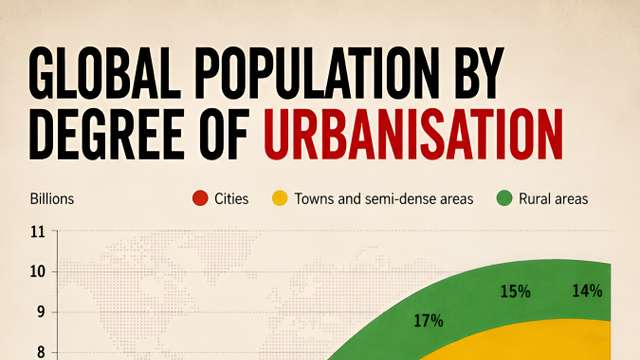
Nearly half the world now lives in cities as urban growth accelerates
“Too many Nigerians feel unprotected, unseen, and what’s most worrisome is the normalisation of this distress.”, Executive Secretary of NHRC, Tony Ojukwu, noted a disturbing trend
HRMI also rated Nigeria 4.5 out of 10 in the "Empowerment" category, which includes freedoms of expression, assembly, association, and democratic participation. Only freedom of religion and belief escaped a “bad” rating.
The report cited violent crackdowns on peaceful protests such as #EndSARS and the more recent #EndBadGovernance and #EndHunger movements.
In the "Quality of Life category", Nigeria scored in the “very bad” range across all key indicators, including food, health, housing, work, water, and sanitation, with only 38.25% of Nigerians having access to safe water, whilst just 46.6% have basic sanitation.
Kehinde Adegboyega, HRMI’s Nigeria Ambassador, highlighted the deepening housing crisis, stating that, “rent has doubled in many urban areas while wages remain stagnant. People are selling personal belongings just to survive.”
In October 2024, the NHRC reported a surge in killings and abductions linked to economic desperation, including the death of 167 people in Jigawa State during a fuel tanker explosion, many of whom were scooping fuel to sell.
The HRMI’s report listed several countries that performed poorly across key human rights indicators, particularly in civil and political rights, as well as economic and social rights.
Nigeria, Venezuela, and Mexico scored among the worst globally for civil and political rights, particularly in protection from arbitrary arrest, torture, and protest repression.
RECOMMENDED FOR YOU
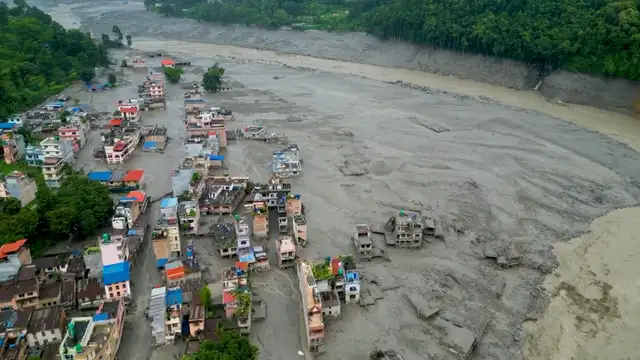
Nepal flood death toll rises to 389 as hundreds remain missing
Iran, Myanmar, Saudi Arabia, Mozambique, and Kenya were also flagged for widespread violations, including extrajudicial killings, repression of dissent, and lack of press freedom.
In economic and social rights, Haiti, South Sudan, Yemen, Somalia, the Central African Republic, and Nigeria were rated in the “very bad” range due to poor access to food, water, housing, and healthcare.
HRMI data is based on input from in-country experts, peer-reviewed social science methods, and global human rights indicators.
This story is written and edited by the Global South World team, you can contact us here.
