Climate change response plans omits mothers and newborns - UN Report
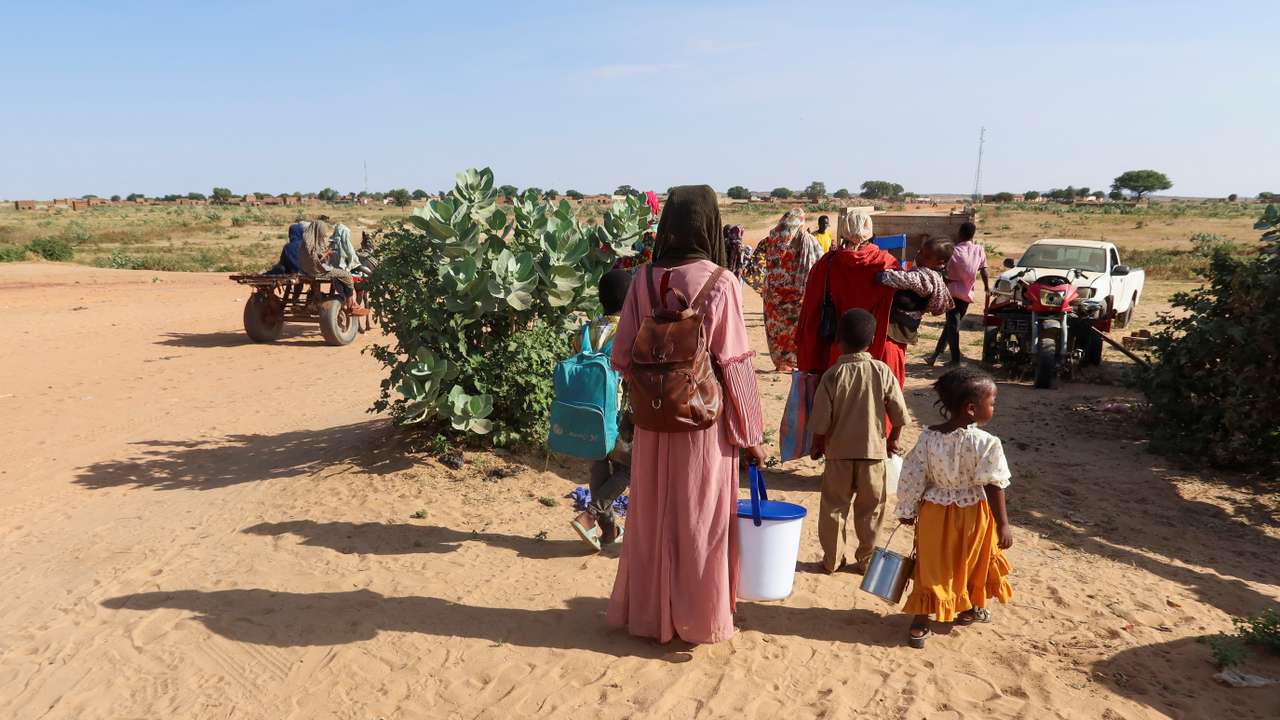
The United Nations has raised concerns about threats of extreme health risks women and children are likely to face as a result of climate change.
This was established in a Call for Action document released on November 22, 2023, by the United Nations agencies ahead of the global Conference of the Parties (COP28) on climate change in Dubai.
The report titled, “Protecting maternal, newborn and child health from the impacts of climate change” indicates that issues regarding the effects of climate change on people classified as vulnerable have been neglected, underreported and underestimated.
There is a "glaring omission” of these categories of persons by countries in their climate change response plans, the United Nations report further noted.
According to the UN, the rising temperature conditions are increasing the spread of diseases like cholera, malaria and dengue which have severe consequences for pregnant women and children.
RECOMMENDED FOR YOU
Six countries account for three-quarters of Europe’s unicorn startups
Other dire conditions including pregnancy-related complications, preterm, stillbirths and poor child development are among the consequences women and children face as a result of the harsh effects of climate change.
“Climate change poses an existential threat to all of us, but pregnant women, babies and children face some of the gravest consequences of all.
“Children’s futures need to be consciously protected, which means taking climate action now for the sake of their health and survival while ensuring their unique needs are recognized in the climate response,” Bruce Aylward, Assistant Director General for Universal Health Coverage, Life Course at the World Health Organization (WHO) said.
The Call to Action highlights solutions including sustained reductions in greenhouse gas emissions and action on climate finance, alongside the specific inclusion of the needs of pregnant women, babies and children within climate and disaster-related policies. The agencies also call for more research to better understand the impacts of climate change on maternal and child health.
“We must start by asking the right questions,” Diene Keita, the Deputy Executive Director for Programmes at UNFPA, the United Nations sexual and reproductive health agency was quoted.
The Call to Action was released by WHO, UNICEF and UNFPA at an online launch event, alongside an advocacy brief by the Partnership for Maternal, Newborn and Child Health (PMNCH).
The PMNCH advocacy brief reinforces the Call to Action by outlining specific recommendations for different stakeholders – including governments, global financing mechanisms, donors and foundations, private sector and civil society - for ensuring that the health needs of women, children and adolescents are better addressed in climate policies, financing, and programmes.