Keeping it cool: the race to build Southeast Asia's cold chain
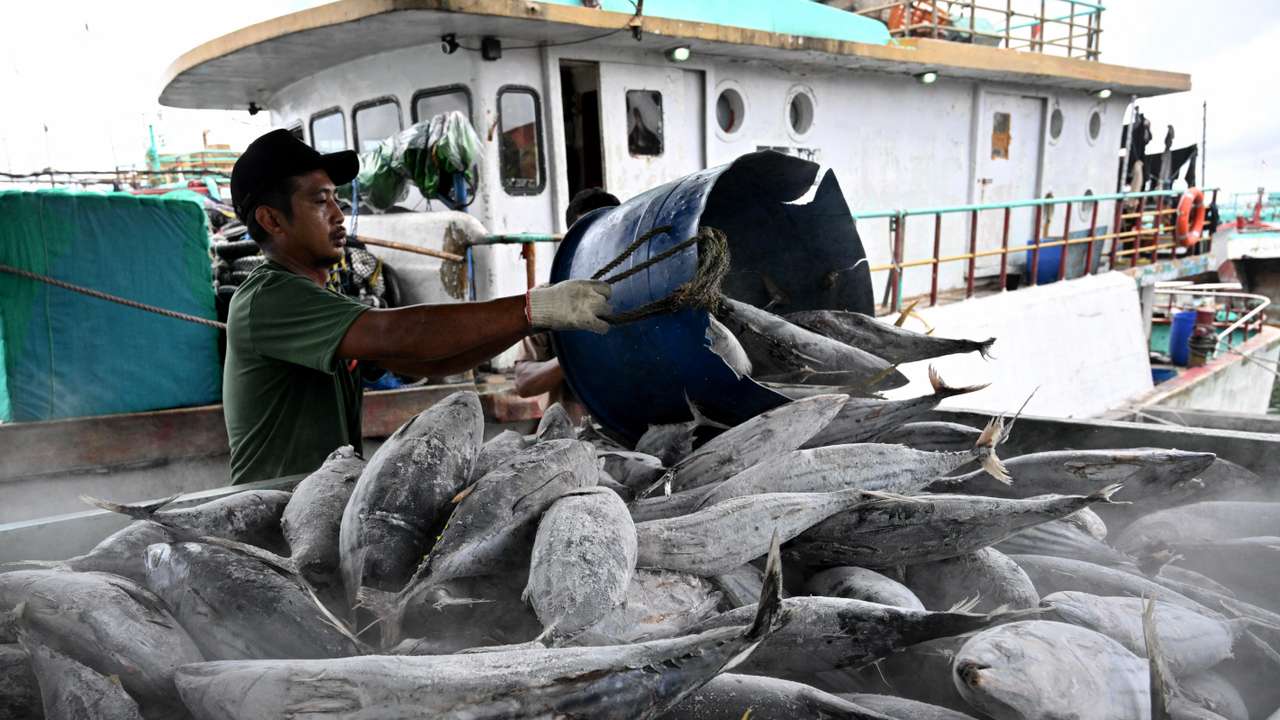
Food producers across Southeast Asia are investing in bigger facilities and new markets. But keeping their products fresh until they reach customers is just as important. As cold-chain investment gathers pace, investors from inside and outside the region are building new facilities.
For meat processors and seafood exporters, increasing output means little if their products arrive at the buyer's end in poor condition. Food companies across Southeast Asia have spent heavily on production and processing, but the journey after a product leaves the plant can be just as demanding.
Frozen chicken, for example, may move through warehouses, trucks and ports before reaching a customer. It needs to stay at the right temperature throughout. Delays or poor handling can leave the supplier with damaged goods and a loss to absorb.
Investment in cold storage is picking up across New Asia, although operators still have to decide where new facilities are needed and whether they can earn enough to cover the cost.
Malaysia builds closer to its markets
Thailand's SCGJWD Logistics is expanding in Malaysia with local partner Swift Haulage. Its cold-storage warehouse at the Shah Alam International Logistics Hub, near Port Klang, began operations in 2026. Built at a cost of about US$9 million (THB 300 million), it holds 10,000 pallets at temperatures between minus 25°C and 25°C.
RECOMMENDED FOR YOU
The future of food: Africa and New Asia are building a two-way food trade
SCGJWD expects occupancy to reach 60% by the end of 2026 and 90% by the end of 2027. It is also developing a warehouse in Johor with 11,500 pallet positions, due for completion in the first quarter of 2027. Both sites are close to busy trading routes. Port Klang serves overseas shipments, while Johor is a convenient base for trade with Singapore.
SCGJWD co-chief executive officer Charvanin Bunditkitsada said in an April 2026 announcement that Malaysian demand for cold storage was expected to grow by 8–9% annually, supported by exports of halal food, seafood and processed products.
Indonesia draws larger investors
In Indonesia, distance is a problem that cannot be solved by adding space in one city. Perishable goods often have to move between islands, making dependable storage and transport all the more important.
Demand is also growing at home. Indonesia’s free nutritious meals program, Makan Bergizi Gratis, reached 58.2 million beneficiaries by the end of October 2026 and is served by 27,485 community kitchens across the country, according to the Ministry of Finance. Meals built on meat, fish, eggs and vegetables add steady demand for chilled storage and transport well beyond the main cities.
In August 2026, infrastructure investor I Squared Capital announced an agreement to acquire Cella, an Indonesian industrial logistics and cold-storage business. Seller NWP Property announced the sale in September. Cella has five facilities in Greater Jakarta and Surabaya, with approximately 231,000 square meters of leasable space.
Singapore-based Peregrine Cold Logistics has also announced its entry into the market through a joint venture with Sinar Primera. Announced in September, the partnership covers an existing facility in Pluit, North Jakarta, and a planned development in Narogong, with combined capacity expected to reach about 35,000 square meters.
"Our objective is not simply to build capacity in Indonesia, but to connect the market into our broader ASEAN and GCC network," Peregrine co-founder and CEO Jeff Hogarth said in a published statement.
For exporters, storage in one location is helpful, but it is the connection between warehouses, refrigerated vehicles and delivery points that keeps products moving.
RECOMMENDED FOR YOU

El Salvador's Bukele seeks third term after constitutional reform
Vietnam prepares for growing demand
Japanese company Igarashi Reizo is building a cold-storage and dry-warehouse complex at Long Hau Industrial Park in southern Vietnam. The first phase, costing more than US$24 million (VND 621 billion), is planned to hold about 21,000 pallets and include automated storage systems. Completion is targeted for early 2027.
The project adds capacity for businesses moving chilled and frozen goods, although they will still depend on suitable transport links beyond the warehouse.
Warehouses lay the foundation
The Philippines has also been trying to close its storage gap. In 2025, the Department of Agriculture allocated about US$51 million (PHP 3 billion) toward about 99 cold-storage facilities to improve agricultural distribution and reduce losses.
"We also recognise that cold storage infrastructure is only one part of the equation," Agriculture Secretary Francisco Tiu Laurel Jr. said in a published statement.
A warehouse alone cannot protect a shipment during a power failure, a long wait at a port or a journey without refrigerated transport. These problems are especially difficult for businesses moving goods between islands. A new facility is useful only when the rest of the delivery chain works too.
Where the returns lie
Food suppliers need cold storage throughout the year, and specialised warehouses can command higher rents and longer leases. But construction is expensive. Property consultancy JLL reported in 2022 that cold-storage warehouses could cost two to three times as much to build as conventional ones.
Then come the electricity bills, maintenance and the need to keep space occupied. A site near food processors, ports and distribution centres has a better chance of attracting steady business than one with poor transport links.
New Asia needs more cold-chain capacity, and new warehouses are the foundation. The next opportunity lies in connecting them. For food producers, the real gain is being able to deliver more of what they produce, in good condition, without losing value along the way.
RECOMMENDED FOR YOU

Five lessons from Go Global South for entrepreneurs expanding across borders
New Asia Forum is New Asia's annual investment platform. It is powered by Danantara Indonesia and produced by Richard Attias & Associates.
New Asia Forum. Gateway to the New Asia. Where Vision is Invested. Request an invitation
