Seaweed, algae that served as a staple in the past and could shape the future
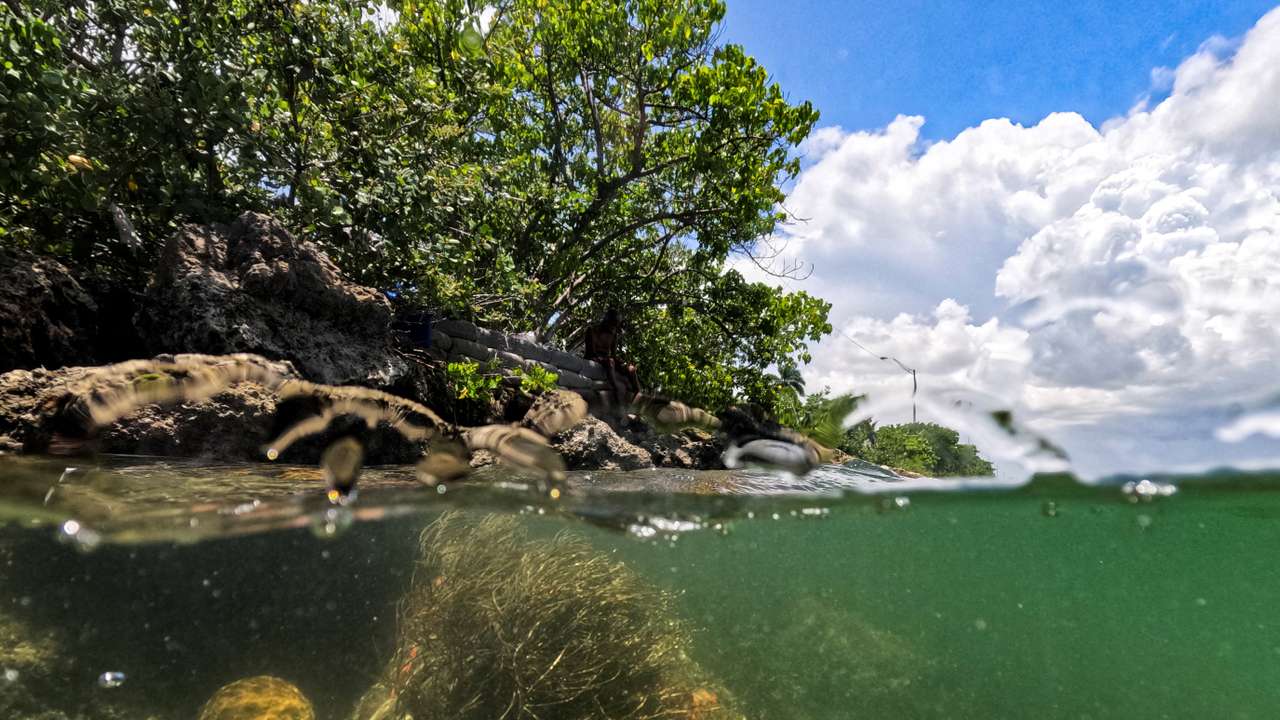
Seaweed is often seen as a slimy, inconsequential entity disrupting beach trips and ocean swims but it holds remarkable potential to reshape our planet and well-being.
Officially classified as marine algae, seaweed is a largely untapped resource that can bring about transformative changes.
CNN cites "The Seaweed Revolution", a book authored by Vincent Doumeizel, a senior adviser at the United Nations Global Compact on Oceans, which highlights the incredible versatility of seaweed.
Seaweed is bestowed with a rapid growth rate, is teeming with nutrients, and harbours the potential to serve as an alternative to plastics and certain textiles. Moreover, it stands as a crucial carbon storehouse, capable of absorbing pollutants from the environment.
But the story of seaweed's significance transcends its modern applications.
RECOMMENDED FOR YOU

Global protests surge as more than 1,000 events are reported in one week
Recent research, according to CNN, reveals a surprising link to the past, hidden within the fossilized dental plaque that accumulates on teeth over time.
This unassuming plaque, capable of withstanding the ravages of time, provides a treasure trove of insights into human dietary habits and health throughout history.
An analysis done on biological markers preserved in fossilized dental plaque uncovered a striking revelation: seaweed, once a dietary staple, was consumed by Europeans for thousands of years, even in landlocked prehistoric communities.
In contemporary Western diets, seaweed and aquatic plants are conspicuously absent, research findings suggest a rich culinary heritage that has largely faded into history.
Historically, the presence of seaweed was often attributed to its use as fuel, food wrapping, or fertilizer. Earlier research implied that the advent of farming, approximately 8,000 years ago, led ancient populations to abandon seaweed as a food source progressively.
By the 18th century in Europe, seaweed had been relegated to the status of famine food or suitable only for animal feed.
Seaweed's many-sided significance, as both an ecological solution and a connection to culinary heritage, stresses its potential to influence the present and future.
RECOMMENDED FOR YOU

Spain tops global ranking for latest first marriages as Niger and Liberia marry youngest