Russia fails in rival UN bid on nuclear, other weapons in space
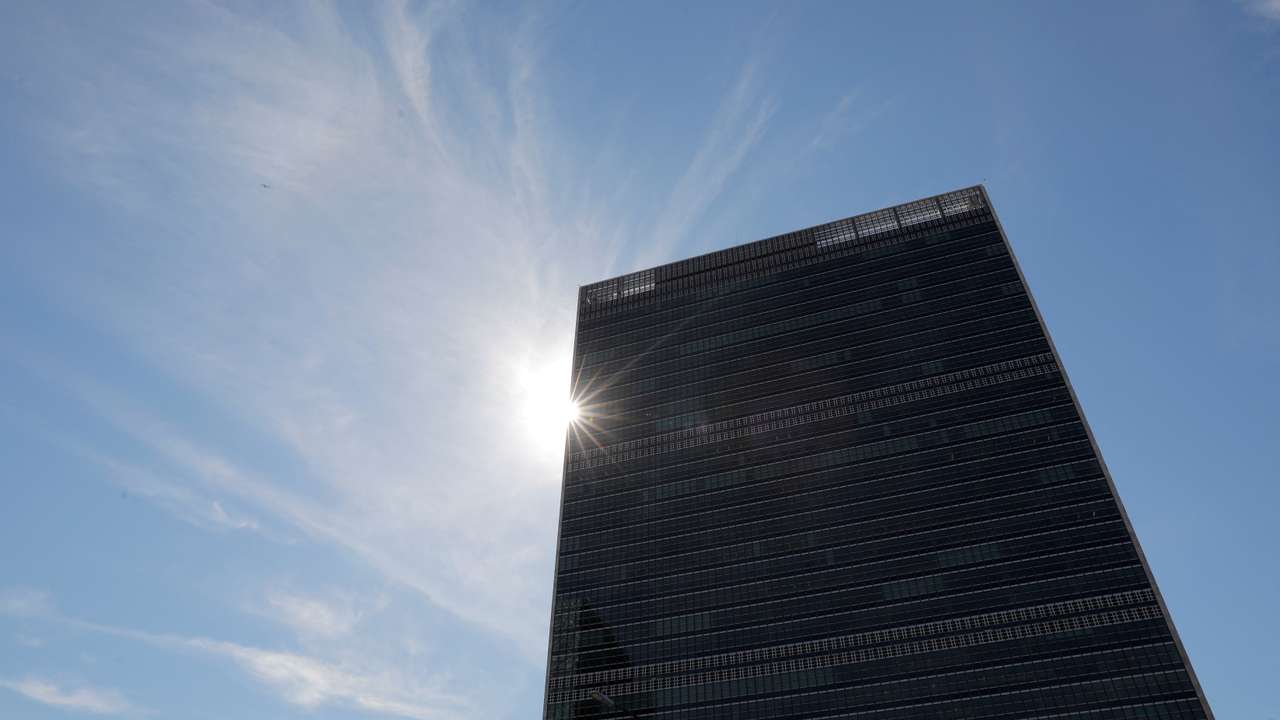
Russia fails in rival UN bid on nuclear, other weapons in space
By Michelle Nichols
A Russian-drafted United Nations Security Council resolution that called on all countries to prevent "for all time" the placement, threat or use of any weapons in outer space failed on Monday with the 15-member body split over the move.
The draft failed to get the minimum nine votes needed: seven members voted in favor and seven against, while one abstained. A veto can only be cast by the United States, Russia, China, Britain or France if a draft gets at least nine votes.
RECOMMENDED FOR YOU

Europe hit by wave of protests as rising living costs, housing crisis fuel unrest
Russia put forward the text after it vetoed a U.S.-drafted resolution last month that called on countries to prevent an arms race in outer space. The Russian veto prompted the United States to question whether Moscow was hiding something.
"We are here today because Russia seeks to distract global attention from its development of a new satellite carrying a nuclear device," deputy U.S. Ambassador Robert Wood told the Security Council before the vote.
He also accused Russia of launching a satellite on Thursday into low Earth orbit that the U.S. "assesses is likely a counterspace weapon presumably capable of attacking other satellites in low Earth orbit."
"Russia deployed this new counterspace weapon into the same orbit as a U.S. government satellite," said Wood, adding that the May 16 launch followed Russian satellite launches "likely of counterspace systems to low Earth orbit" in 2019 and 2022.
Russia's U.N. Ambassador Vassily Nebenzia responded: "I didn't even fully understand what he was talking about."
The 1967 Outer Space Treaty already bars signatories – including Russia and the United States – from placing "in orbit around the Earth any objects carrying nuclear weapons or any other kinds of weapons of mass destruction."
Washington has accused Moscow of developing an anti-satellite nuclear weapon to put in space, an allegation that Russia has denied. Russian President Vladimir Putin has said Moscow was against putting nuclear weapons in space.
Nebenzia said the Russian draft resolution covered both weapons of mass destruction and all forms of other weapons and was aimed at stopping an arms race in outer space.
RECOMMENDED FOR YOU
Thousands protest economic hardship and restrictions on freedoms in Tunisia
But, when pressed by Nebenzia, Wood took issue with language in the draft seeking "a lengthy binding mechanism that cannot be verified," saying, "I've seen this movie before."
The Russian draft had language echoing a 2008 proposal by Moscow and Beijing for a treaty banning "any weapons in outer space" and threats "or use of force against outer space objects," but the diplomatic effort did not find international support.
This article was produced by Reuters news agency. It has not been edited by Global South World.