Sri Lanka Roundup: Visa-free travel deal with Thailand, IMF review set for December and 3,000 homes to open
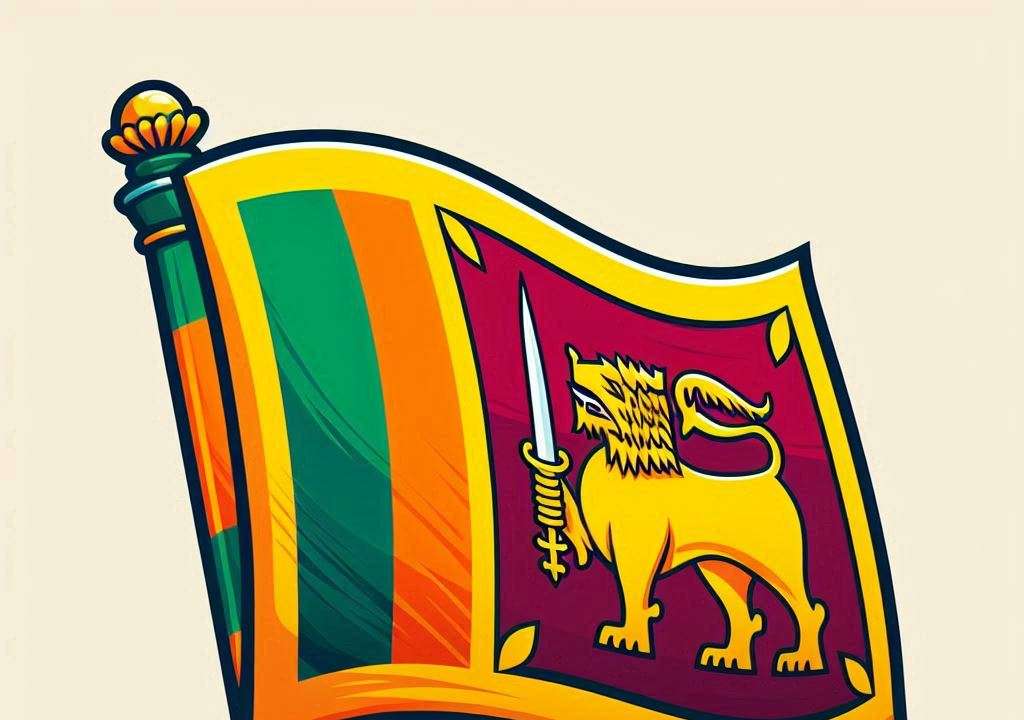
Sri Lanka and Thailand sign visa-free travel agreement for ordinary passport holders
Sri Lanka and Thailand have signed a visa-exemption agreement for ordinary passport holders, marking a significant step towards easier travel and stronger economic and diplomatic relations between the two Asian countries. The agreement was signed and exchanged on November 22, 2026, at the Presidential Secretariat in Colombo by Sri Lanka's Minister of Foreign Affairs, Foreign Employment and Tourism, Vijitha Herath, and Thailand's Deputy Prime Minister and Minister of Foreign Affairs, Sihasak Phuangketkeow. The signing took place during an official visit by the Thai minister, who also met Sri Lankan President Anura Kumara Dissanayake. Phuangketkeow was visiting Sri Lanka as the representative of Thailand's King Maha Vajiralongkorn to attend the Royal Kathina Robe Offering Ceremony at the Asgiri Maha Viharaya in Kandy, reflecting the longstanding Buddhist, cultural and historical connections between the two countries. According to the Sri Lankan government's announcement, the agreement is intended to facilitate travel, encourage tourism and strengthen business relationships. Under the terms approved by Sri Lanka's Cabinet on October 5, 2026, citizens of both countries holding valid ordinary passports will be permitted to enter, leave and transit through the other country without obtaining a visa in advance for qualifying tourism visits.
IMF to review Sri Lanka's economic programme on December 2, with $345 million at stake
The International Monetary Fund (IMF) is scheduled to consider Sri Lanka's seventh programme review on December 2, 2026, a decision that could unlock approximately $345 million in additional financial support as the country continues its recovery from the economic crisis of 2022. The IMF Executive Board will examine the seventh review under Sri Lanka's Extended Fund Facility (EFF) alongside the country's 2026 Article IV Consultation, which assesses economic developments and government policies. The meeting will also consider requests for waivers relating to performance criteria that were not observed, proposed modifications to programme conditions and a financing assurances review. IMF staff reached a preliminary agreement with Sri Lankan authorities on October 4, following discussions led by IMF mission chief Evan Papageorgiou. The mission visited Sri Lanka between September 10 and 23, holding talks with President and Finance Minister Anura Kumara Dissanayake, Prime Minister Harini Amarasuriya, Central Bank Governor P. Nandalal Weerasinghe, Treasury Secretary Harshana Suriyapperuma and other senior officials. Under the October agreement, successful completion of the review would make SDR 254 million, equivalent to approximately $345 million, available to Sri Lanka. That would bring total disbursements under the programme to approximately SDR 2.032 billion, or $2.7 billion.
Sri Lanka begins opening 3,000 homes for war-displaced and cyclone-affected families
Sri Lanka has begun a programme to formally open 3,000 houses constructed under the government's housing assistance initiative, providing accommodation for families affected by the country's civil war and more recent natural disasters. The houses are being delivered under the programme "A Place of Our Own – A Beautiful Life", which aims to improve living conditions for households that have struggled to obtain permanent housing. Minister of Housing, Construction and Water Supply Dr Susil Ranasinghe announced on November 23, 2026, that the official opening of the houses would take place over five days, from November 23 to 27. According to the minister, the beneficiaries include people displaced by the civil war in Sri Lanka's Northern and Eastern Provinces, as well as families who lost their homes because of Cyclone Ditwah. The initiative addresses two major sources of housing insecurity. The first is the long-term displacement associated with Sri Lanka's civil war, which ended in May 2009 after nearly three decades of fighting between government forces and the Liberation Tigers of Tamil Eelam. Although the war ended more than 17 years ago, some affected families have continued to face difficulties securing permanent housing, rebuilding livelihoods and accessing essential services.
Sri Lankan Parliament examines 2027 budget after approving second reading by 97 votes
Sri Lanka's Parliament has continued detailed examination of the government's 2027 national budget, following the approval of its second reading by a majority of 97 votes on November 20, 2026. The Appropriation Bill received 157 votes in favour and 60 against, allowing the legislation to proceed to the committee stage, where lawmakers examine proposed spending for individual ministries, government departments and independent institutions. President Anura Kumara Dissanayake, who also serves as finance minister, presented the budget to Parliament on November 12, outlining the government's economic priorities for the coming year. The second-reading debate ran from November 13 to 20, with members discussing fiscal policy, public expenditure and the government's approach to economic recovery. The committee-stage debate began on November 21 and is scheduled to continue over 19 sitting days, ending on December 14. On the opening day, Parliament approved the expenditure heads of 21 special spending units without amendments and without a division. These included the offices of the president and prime minister, the judiciary, the Cabinet, the Election Commission, the National Audit Office, the Human Rights Commission, the National Police Commission and several other constitutional and administrative bodies. The committee-stage process continued on November 23, with lawmakers examining the budget allocation for the Ministry of Foreign Affairs, Foreign Employment and Tourism.
RECOMMENDED FOR YOU
How much of each country is in Europe?
Sri Lanka reviews outdated government websites after cyberattack on motor traffic department
Sri Lanka's Ministry of Digital Economy has begun reviewing outdated government websites after a cyberattack targeted the official website of the Department of Motor Traffic (DMT), raising concerns about the security and maintenance of public-sector digital services. The attack occurred on the night of Friday, November 20, 2026, affecting the department's public website. The Ministry of Digital Economy subsequently began collecting information about government websites that had not been updated for several years, as officials examined whether outdated systems could expose public services to further cyber threats. Sumudu Rathnayake, an adviser to the Ministry of Digital Economy, said preliminary information indicated that a large number of government websites were operating without regular updates. He revealed that the Department of Motor Traffic's official website had not been updated for nearly 10 years, highlighting concerns about the maintenance of government digital infrastructure. Outdated websites can create security risks because older software may contain vulnerabilities that attackers can exploit, particularly when security patches and system upgrades are not applied. Rathnayake said access to the affected DMT website had been restored following the incident. Investigations into the cyberattack have been launched by the Sri Lanka Air Force's Cyber Security Division and the Sri Lanka Computer Emergency Readiness Team (Sri Lanka CERT).
This story is written and edited by the Global South World team, you can contact us here.