Congo's former colonial capital struggles with neglect as residents recall painful past
Vivi, the first capital of the Congo Free State, is now grappling with deteriorating infrastructure, while descendants of its original inhabitants recount stories of forced displacement and oppression under colonial rule.
Footage filmed on Wednesday shows dilapidated buildings, mud-brick houses and rocky roads, reflecting the settlement's present-day struggles.
Local resident Wanane Nkula Jose recalled accounts of how colonial authorities forcibly relocated communities to strengthen their control over the population.
“They wanted to bring the entire population together in one place so they could better control and monitor them,” he said. He also described how residents were forced to carry colonisers on wooden chairs mounted on poles.
Kinkela Nkunku, a descendant of Vivi's original inhabitants, likened colonial rule to apartheid, rejecting any possibility of its return. “We will never allow that to happen again in our country,” he stressed. Other residents questioned the legacy of colonialism amid the area's deteriorating living conditions.
RECOMMENDED FOR YOU
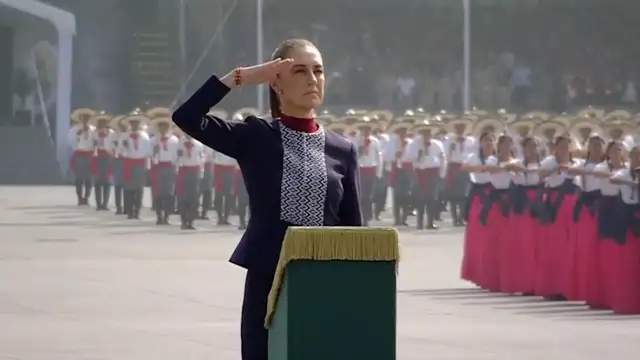
Sheinbaum sends defiant message to foreign powers at Mexico's Revolution parade
“After their time here, what did they leave behind? And what has become of those of us who remained after they left?” asked Matadi resident Stephanie Remotada.
Explorer Henry Morton Stanley established a station in Vivi in 1879 as part of a colonial project backed by Belgium's King Leopold II.
The settlement became the first capital of the Congo Free State in 1885 before the capital was relocated to Boma in 1886.
This story is written and edited by the Global South World team, you can contact us here.